
How to choose and use wifi air conditioner control
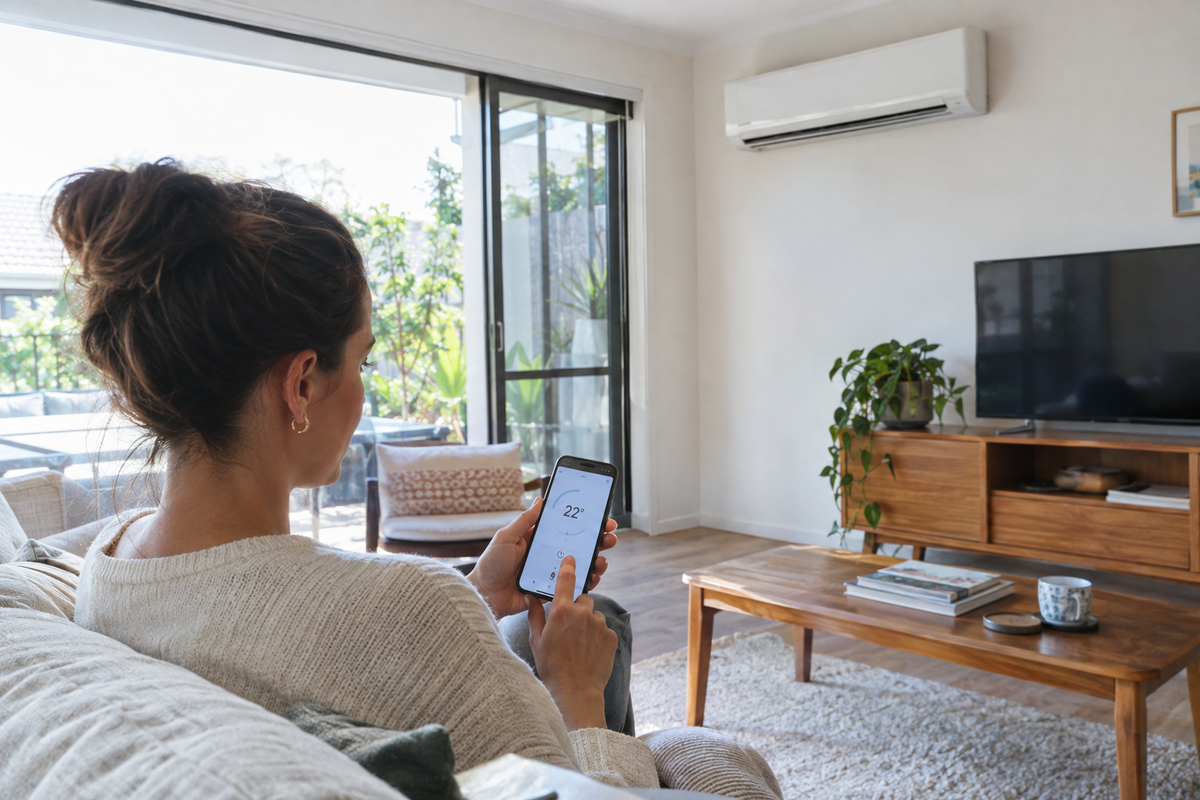
Wifi air conditioner control allows you to operate your cooling system via a smartphone app or voice assistant from anywhere with an internet connection. By installing a wifi-enabled wall controller or a retrofitted smart hub, you can adjust temperatures, set schedules, and monitor energy usage remotely, ensuring your home is at the ideal temperature before you even step through the front door.
How wifi hardware integrates with your cooling system
Adding wifi control to a home climate system is achieved through two primary methods: native integration or aftermarket retrofitting. Most modern split system air conditioning units now arrive from the factory with a wifi module either pre-installed or available as a plug-and-play USB dongle. These native modules communicate directly with the manufacturer’s proprietary app, allowing for seamless control of fan speeds, vane positions, and operating modes. Because they are designed by the same engineers who built the indoor unit, they often provide the most granular control over specific features like 'dry mode' or 'power chill'.
For older systems or ducted setups, the integration usually happens at the wall controller level. A hardwired gateway is installed between the indoor unit’s control board and the household router. This gateway translates the air conditioner’s communication protocol into a language your home network understands. In ducted systems, this is a core component of modern ducted air conditioning setups, where the wall-mounted tablet acts as both a local interface and a wifi bridge. If you are dealing with a legacy split system that lacks a data port, an infrared (IR) smart hub can be used. These devices mimic the signal from your handheld remote, though they lack the 'two-way' feedback that tells you the current room temperature or if the unit is actually running.
Hardware costs for these upgrades vary. A basic wifi dongle for a split system typically ranges from $150 to $250, while a sophisticated ducted zone controller with integrated wifi and individual room sensors can cost between $800 and $1,500. The choice depends on whether you require simple on/off functionality or the ability to manage complex zone schedules across a large two-storey floor plan.
Managing thermal loads in the Australian climate
The primary advantage of wifi control in a local context is the ability to manage thermal mass before it becomes a problem. In a humid coastal climate, an empty house can quickly become a heat trap, with indoor temperatures climbing as the sun hits west-facing glass. By the time a resident returns at 5:30 PM, the walls, furniture, and flooring have absorbed significant energy. A Darwin install fights humidity where a Hobart one fights winter, but both benefit from pre-emptive temperature management.
Using a smartphone app to activate the system 20 minutes before arrival allows the unit to remove the 'peak' heat without having to run at 100% capacity for hours to overcome the heat load stored in the building’s structure. This is particularly effective for homes with dark tiled roofs or those lacking significant eave protection. In these environments, roof cavity temperatures can reach 70 degrees Celsius by mid-afternoon, radiating heat through the ceiling. Starting the cooling cycle remotely allows the system to establish a stable internal temperature gradually, which is far more efficient than 'crash cooling' a space that has been baking all day.
Furthermore, wifi control allows for reactive adjustments based on changing weather patterns. If a sudden cool change arrives while you are at work, you can remotely deactivate the system or switch to fan-only mode to circulate fresh air. This level of control ensures you are not paying to cool an empty house when the external environment has already done the work for you. You can browse our product catalogue to see compatible controllers that offer these advanced scheduling features.
Smart home integration and voice control functionality
Beyond simple remote access, wifi-enabled controllers allow the air conditioner to become a participant in a broader smart home ecosystem. Integration with platforms like Google Home, Amazon Alexa, or Apple HomeKit allows for voice-activated climate control. This is more than a convenience; it allows for 'scenes' or 'routines' where one command can lower the blinds, dim the lights, and set the air conditioner to a comfortable 23 degrees for sleep. For residents with limited mobility, the ability to adjust the temperature without finding a physical remote or walking to a wall panel is a significant functional improvement.
Geofencing is another advanced feature enabled by wifi connectivity. By using the GPS on your smartphone, the air conditioning system can detect when you are within a five-kilometre radius of home and automatically trigger a pre-cooling or pre-heating cycle. Conversely, it can send an alert to your phone if you have left the house and the system is still running, preventing the waste of electricity.
For those with solar PV systems, smart integration allows for 'load shifting'. You can program the air conditioner to run during the middle of the day when solar production is at its peak, effectively using your home as a thermal battery. This reduces the reliance on the grid during the expensive evening peak period. These integrations require a stable internet connection and a compatible gateway, which should be checked during a regular air conditioning service to ensure the firmware is up to date and the cloud handshake is functioning correctly.
Energy efficiency and monitoring your power consumption
One of the most overlooked benefits of wifi control is the transparency it provides regarding energy consumption. Many modern apps provide real-time data on how many kilowatts the system is drawing and historical charts showing usage over days, months, or years. This data is invaluable for identifying inefficient habits. For instance, you might realise that running the system at 18 degrees doesn't cool the room any faster than setting it to 24 degrees, but it does consume significantly more power as the inverter struggles to reach an unreachable target.
By monitoring these trends, homeowners can adjust their schedules to take advantage of off-peak electricity rates. In many parts of the country, electricity prices fluctuate based on the time of day. Scheduling a ducted system to pre-cool a home at 3:00 PM when rates are lower, rather than 6:00 PM during the peak, can result in a 10% to 15% reduction in seasonal running costs.
Additionally, wifi controllers often include filter-clean reminders based on actual run-time rather than simple calendar dates. A blocked filter can increase energy consumption by up to 5% as the fan motor works harder to pull air through the debris. By receiving a push notification to your phone, you are more likely to maintain the system, ensuring it operates at its peak coefficient of performance (COP). This proactive maintenance is a key driver in extending the lifespan of the compressor and reducing the likelihood of expensive emergency repairs during a heatwave.
Connectivity challenges in different building materials
While wifi control offers numerous benefits, the physical construction of an Australian home can present challenges for signal reliability. Modern builds often use foil-faced building blankets under metal roofs and foil-backed insulation in the walls. These materials are excellent for thermal performance but act as a 'Faraday cage' for wifi signals. If your router is located at one end of a long brick-veneer home and the air conditioning gateway is at the other, you may experience frequent drop-outs or 'device offline' errors.
In double-brick homes, the density of the internal walls can severely attenuate 5GHz wifi signals, which have higher speeds but lower penetration than 2.4GHz signals. Most air conditioning wifi modules specifically use the 2.4GHz band for this reason, as it is better at navigating through structural obstacles. When we assess a site for ducted air conditioning in Sydney installations, we often recommend the use of wifi extenders or a mesh network to ensure the HVAC gateway has a dedicated, strong connection.
Another factor is the placement of the outdoor unit. In some configurations, the wifi module is housed within the outdoor condenser. If this unit is tucked behind a garage or located on a different floor from the router, the signal must pass through multiple layers of brick, timber, and steel. Ensuring a robust network infrastructure is just as important as the air conditioning hardware itself. Without a stable connection, the 'smart' features of the system become a source of frustration rather than a benefit.
Long term support and software security considerations
Investing in wifi control means entering the world of software lifecycles. Unlike a traditional thermostat that might last thirty years without an update, a smart controller relies on cloud servers and mobile app compatibility. It is vital to choose brands with a proven track record of supporting their hardware with regular firmware updates. These updates not only add new features but also patch security vulnerabilities that could allow unauthorised access to your home network.
Security is a valid concern for any internet-connected device. High-quality HVAC manufacturers use encrypted communication protocols to ensure that the command to turn on your heater cannot be intercepted or spoofed. When selecting a system, avoid generic, unbranded wifi bridges that may have hardcoded passwords or lack a clear privacy policy regarding your usage data. A reputable manufacturer will provide clear documentation on how your data is handled and will offer two-factor authentication for their control apps.
Finally, consider the 'offline' functionality of the system. A well-designed wifi air conditioner should always retain its physical controls. If your internet goes down or the manufacturer’s server experiences an outage, you must still be able to operate the unit via the wall panel or the handheld remote. The wifi should be an 'and', not an 'or'. As we move toward 2026, the standardisation of protocols like Matter may make these systems even more interoperable, but for now, sticking to established brands ensures that your eight-thousand-dollar investment doesn't become a 'dumb' appliance because an app was deleted from the store.
Common questions
Can I add wifi control to my existing air conditioner?
Yes, most existing systems can be retrofitted with wifi control. For split systems, you can use an infrared smart hub that mimics your remote control. For ducted systems, a technician can often install a new wall controller or a gateway module that connects the unit to your home network, provided the indoor board is compatible.
Does wifi control work if the internet is down?
If your internet connection fails, you will lose the ability to control the unit via your smartphone from outside the home. However, you can still operate the air conditioner using the physical wall controller or the standard handheld remote. Most systems also allow local app control if your phone is on the same home network.
Is there a monthly subscription fee for wifi AC apps?
The vast majority of major air conditioning manufacturers provide their wifi control apps for free with no ongoing subscription costs. Some third-party universal controllers may offer 'premium' features like advanced energy analytics for a small fee, but basic remote operation, scheduling, and temperature adjustment are typically included with the hardware purchase.
Will wifi control help me save money on my electricity bill?
Wifi control can reduce energy costs by 10% to 15% through more efficient scheduling and monitoring. By turning the unit off remotely if you forget, or by pre-cooling the home during cheaper off-peak electricity windows, you avoid the high energy draw required to cool a heat-soaked house during peak evening times.
Do I need a special router for smart air conditioning?
You do not need a special router, but you do need a stable signal at the location of the air conditioner's gateway. Most AC wifi modules use the 2.4GHz frequency band. If your home has thick masonry walls or is very large, you might need a mesh wifi system to ensure the signal reaches the unit reliably.