What causes noise from aircon units?
Noise from an air conditioner can range from normal operational sounds like the expansion of plastic casings to mechanical failures like worn fan bearings or refrigerant leaks. While a low hum or soft whoosh of air is expected, sharp metallic sounds, persistent rattling, or loud screeching usually indicate a component failure or an installation issue that requires professional attention.
Understanding the difference between normal and abnormal sounds
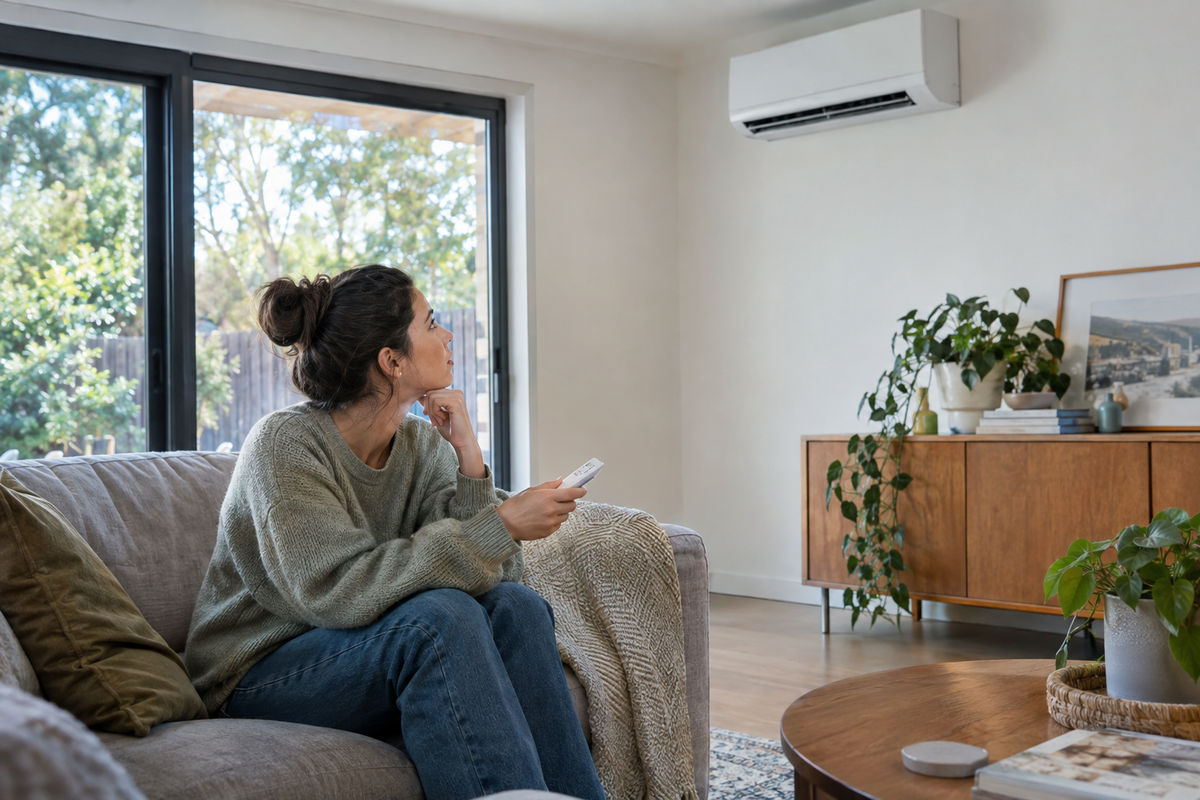
Modern air conditioning systems are designed to operate quietly, but they are not silent. A certain level of noise is expected as the system moves air and refrigerant. Inverter technology, which is standard in most new Australian homes, means the compressor in the outdoor unit ramps up and down rather than just switching on and off. This can create a varying pitch that sounds like a soft whine or hum, which is perfectly normal. Indoors, you should mostly hear the steady movement of air. If you have a high-wall split system, you may occasionally hear a soft popping or cracking sound. This occurs as the plastic chassis expands and contracts with temperature changes and is not a sign of a fault.
Abnormal noises are usually distinct and repetitive. A metallic grinding, a high-pitched squeal, or a heavy thumping sound indicates that a mechanical component is failing or has come loose. For example, a screeching sound often points to a failing fan motor bearing or a dry bearing in the indoor blower unit. If you hear a gurgling or bubbling sound, it often suggests a refrigerant issue or a blocked condensate drain. Identifying the specific type of noise is the first step in determining whether you need an air conditioning service to prevent a total system breakdown.
Why outdoor condenser units become excessively loud
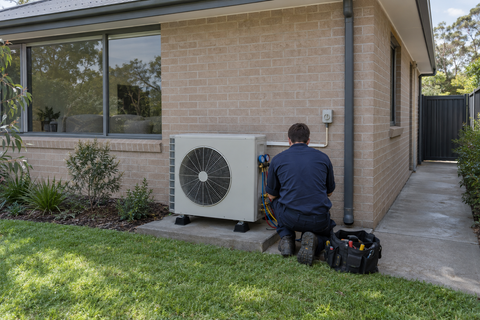
The outdoor unit is the heart of the system, containing the compressor and a large condenser fan. Because it is exposed to the elements, it is the most common source of noise complaints. A loud rattling is often caused by something as simple as a loose panel screw or a twig that has fallen through the fan grille. However, if the rattling is coming from deep inside the unit, it may be a sign that the compressor's internal mountings are failing. The compressor is mounted on rubber feet to dampen vibration; as these age and harden, the vibration can transfer to the metal casing, creating a loud drone.
In coastal areas like the Gold Coast, salt air corrosion can cause the fan blades to become unbalanced. Even a small amount of pitting or salt buildup on a blade can cause the whole unit to shake, which accelerates wear on the motor bearings. If the unit is mounted on wall brackets rather than a concrete slab, this vibration can be amplified by the house structure, turning a minor mechanical hum into a loud resonance inside the living room. We often find that installing heavy-duty rubber 'waffle pads' under the unit can significantly reduce this vibration transfer, even on older systems.
Airflow issues and whistling in ducted systems
In ducted air conditioning systems, noise often originates from the ductwork rather than the machinery. A common complaint is a high-pitched whistling or 'whooshing' sound when the system is running on high. This is usually caused by high static pressure, where the fan is trying to push more air through the ducts than they can comfortably handle. If the return air grille is undersized—a common issue in budget-driven installations—the air velocity increases at the intake, creating a loud sucking sound. For a standard 14 kW system, we typically look for a return air grille size of at least 400mm x 1000mm to keep air noise to a minimum.
Another source of noise in the roof cavity is loose 'flex' ducting. If the duct is not supported correctly or has sharp bends, the air turbulence can cause the inner lining of the duct to flap or vibrate. In homes with dark tiled roofs or Colorbond roofing, the roof cavity can reach 60 or 70 degrees Celsius in summer. This extreme heat can degrade the tapes and adhesives used to secure ducts to the plenums. If a duct partially detaches, you will hear a loud whistling as air escapes into the roof space. This not only makes the system noisy but also dramatically increases your running costs as you are cooling the roof instead of the house.
Mechanical failures and internal component noises
When mechanical parts begin to fail, the sounds they produce are often unmistakable. A sharp clicking sound when the system starts up is usually the contactor or relay in the electrical box engaging. If this clicking becomes rapid or persistent, it indicates an electrical fault where the component is struggling to stay engaged. This can lead to the compressor 'short cycling', which is a major cause of premature failure. If you notice this, it is vital to book air conditioning repairs immediately to avoid a much larger bill for a compressor replacement.
A heavy thumping or 'slugging' sound is more serious. This happens when liquid refrigerant enters the compressor, which is designed only to compress gas. It usually occurs if the system is overcharged or if the indoor coil is so dirty that the refrigerant cannot evaporate properly. In dry inland zones like Wagga Wagga or Dubbo, dust can quickly clog indoor filters and coils if they aren't cleaned regularly. This restricted airflow causes the coil to freeze over, leading to liquid refrigerant returning to the outdoor unit. This sound is a warning that the compressor is under extreme stress and likely to fail.
How installation quality impacts noise levels
The way an air conditioner is installed has a massive impact on its decibel output. A split system air conditioning unit mounted on a thin weatherboard wall will always sound louder than one mounted on a double-brick wall. This is because lightweight cladding lacks the thermal and acoustic mass to dampen the vibrations of the compressor. If a wall mount is the only option, the installer must use high-quality isolation brackets. We have seen many instances where a system was bolted directly to the studs, effectively using the wall of the house as a sounding board.
Pipe penetrations are another common source of noise. Every system has two copper refrigerant lines and an electrical cable running between the indoor and outdoor units. If the hole where these pipes pass through the wall is not properly sealed with fire-rated foam or a dedicated wall cap, it creates an 'acoustic leak'. You will hear the outdoor unit as if the window were left open. Furthermore, if the copper pipes are touching the timber frame or the plasterboard, the vibration of the refrigerant flowing through the lines can create a persistent humming inside the room. Correct pipe clipping and insulation are essential to a quiet install.
Environmental factors and maintenance requirements
Climate and environment play a significant role in how much noise a system makes over time. In a humid coastal climate, the outdoor unit is subject to constant moisture and salt, which can lead to the fan motor housing rusting. This rust can eventually interfere with the fan's rotation, leading to a rhythmic scraping sound. Regular maintenance is the only way to prevent this; a technician can apply corrosion inhibitors and ensure the fan assembly is clear of debris. Even in a temperate southern climate, something as simple as a build-up of autumn leaves inside the condenser base can cause the fan to strike the debris, creating a loud clattering.
Finally, consider the age of the system. An air conditioner that was quiet ten years ago may now be noisy simply due to the wear and tear of Australian seasons. Bearings dry out, rubber mounts perish, and metal casings can warp slightly. If your system is more than 12 to 15 years old and has become significantly louder, it may be more cost-effective to replace it with a modern, high-efficiency unit. New systems are not only quieter but also use significantly less power to achieve the same cooling capacity, which is a major consideration given the rising cost of electricity. Regular professional checks ensure that small noises don't turn into expensive mechanical failures.
Common questions
Why is my outdoor aircon unit making a loud vibrating noise?
Vibration is usually caused by hardened rubber mounting pads or a fan blade that has become unbalanced due to dirt or salt buildup. If the unit is mounted on a wall, the vibration can resonate through the structure. Checking the mounting bolts and cleaning the fan blades often resolves this issue.
Is a clicking sound from my air conditioner normal?
A single click at the start or end of a cycle is usually just the electrical relay or contactor functioning. However, rapid or continuous clicking often indicates an electrical fault or a failing capacitor that needs to be inspected by a technician to prevent compressor damage.
Why does my ducted air conditioning whistle?
Whistling is almost always an airflow issue. It can be caused by an undersized return air grille, a partially closed zone, or a leak in the ductwork. When air is forced through a small opening at high speed, it creates a whistle. Cleaning your filters is the first step to fixing this.
What causes a screeching sound in an air conditioner?
Screeching is typically a sign of a failing bearing in either the outdoor fan motor or the indoor blower fan. In older systems, it could also be a worn drive belt. This sound indicates high friction and should be addressed quickly to avoid the motor seizing entirely.