AC air filter cleaning for residential systems
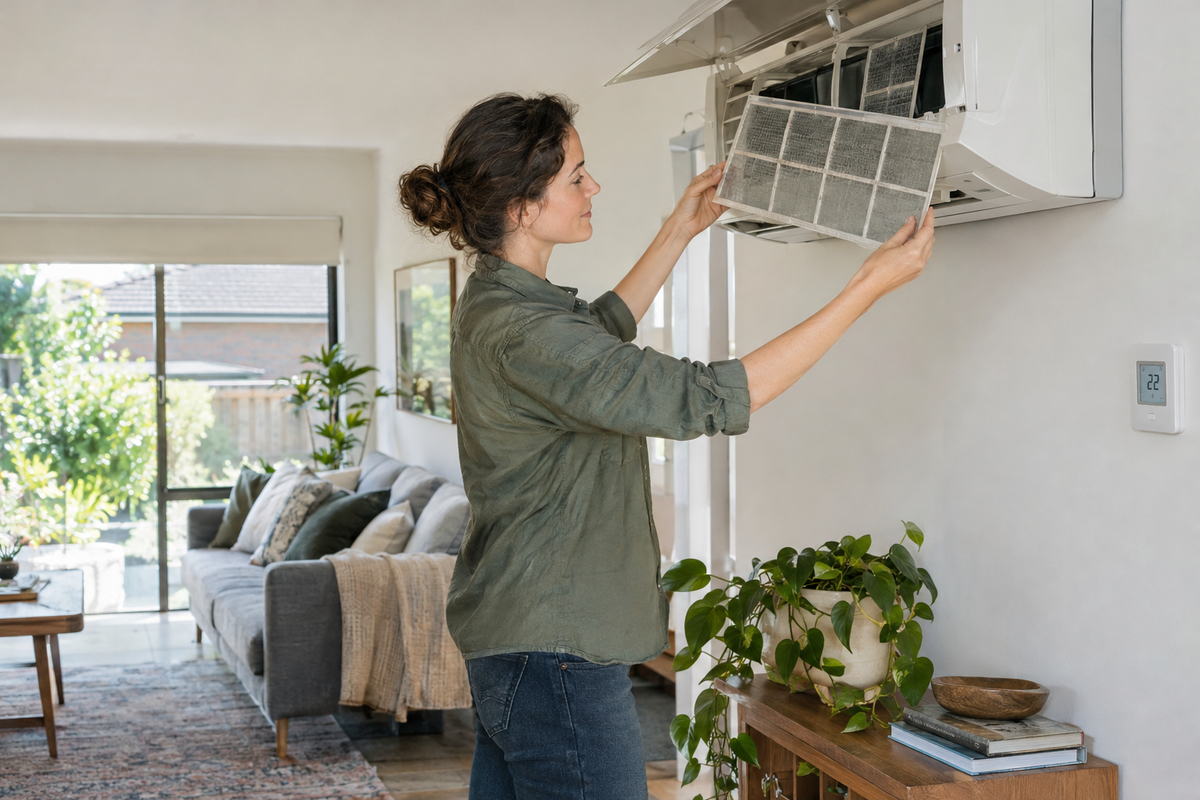
You should clean your AC air filters every two to four weeks during periods of heavy use, such as the peak of summer or winter. For most systems, this involves removing the mesh filters, vacuuming away loose dust, and washing them with lukewarm water if necessary. Keeping filters clear ensures optimal airflow, reduces energy consumption, and prevents strain on the fan motor.
Why restricted airflow costs you money
Air conditioning systems are designed to move a specific volume of air across a heat exchanger to maintain the set temperature. When the air filter becomes clogged with dust, skin cells, and pet dander, it increases the static pressure within the indoor unit. This resistance forces the fan motor to work significantly harder to pull air through the restricted mesh. In modern inverter systems, the fan might increase its rotational speed to compensate for the resistance, which directly increases energy consumption and wears out the motor bearings prematurely.
If the airflow drops below a critical threshold, the refrigerant in the evaporator coil cannot absorb enough heat from the room air. This imbalance causes the coil temperature to drop below freezing, leading to ice formation on the aluminium fins. A frozen coil acts as an insulator, further reducing performance and potentially sending liquid refrigerant back to the compressor. This liquid slugging can cause permanent mechanical failure in the outdoor unit. In a humid coastal climate, this lack of airflow also prevents the system from effectively dehumidifying the air, leaving the indoor environment feeling damp and uncomfortable. Regular cleaning maintains the design-intent airflow, ensuring the system operates at the efficiency level promised on its energy rating label without risking expensive mechanical damage.
Cleaning steps for wall-mounted split systems
Most residential split systems follow a standardized design for filter access that homeowners can manage safely. Start by ensuring the unit is turned off via the remote and, ideally, at the isolator switch. On either side of the indoor head unit, there are usually small recessed indentations where you can place your fingers to gently lift the front decorative panel. This panel should hinge upwards and lock into a stay. Behind this panel, you will see two or more fine mesh filters held in place by plastic tabs.
Slide the filters out by pushing up slightly to unhook them from the frame. Before applying any water, use a vacuum cleaner with a soft brush attachment to remove the bulk of the dry dust. This is a critical step; applying water directly to a heavily soiled filter can turn the dust into a thick sludge that is difficult to remove from the fine mesh. If the filters appear discoloured or oily—which is common in open-plan homes where cooking vapours circulate—wash them in lukewarm water with a single drop of mild dish detergent. Avoid using hot water, as it can warp the thin plastic frames or degrade the mesh material. Allow the filters to dry completely in a shaded area before reinserting them. Never run the unit without filters, as this allows dust to settle directly on the delicate evaporator coil, which requires a professional air conditioning service to clean.
Maintaining ducted system return air grilles
In a ducted system, the primary filtration point is located behind the return air grille, typically found in a central hallway ceiling or high on a wall. Unlike the small mesh filters found in split systems, these are often much larger and may be made of a synthetic pleated material or a washable foam media. To access the filter, you will need to undo a thumb screw or release a sliding latch on the grille frame. Once released, the grille will hinge down, allowing the filter to be slid out of its track.
If your home uses a disposable pleated filter, these are not designed to be washed and must be replaced every six to twelve months. For washable versions, a garden hose with low pressure is often more effective than a vacuum for removing deep-seated dirt from the foam. Always spray from the clean side of the filter to push the dust back out the way it entered. In homes built with high ceilings or in older 1970s builds with narrow corridors, accessing these grilles may require a stable A-frame ladder. Ensure the grille is securely latched after cleaning; a loose grille can cause annoying whistling noises or vibration as the system draws air through the gaps. Maintaining this single point of filtration is vital for protecting the central fan coil unit hidden in the roof cavity.
Environmental factors that increase cleaning frequency
The standard recommendation of cleaning filters every month is a baseline, but local environmental factors often demand more frequent attention. For instance, a home in a dry inland zone will contend with fine red dust that can penetrate even well-sealed window frames. Conversely, a home in a humid tropical climate like Darwin faces higher moisture levels, which can cause dust on the filter to become damp and encourage microbial growth.
Pet owners should expect to clean filters twice as often as those without animals; cat and dog hair is heavy and will block a mesh filter much faster than standard household dust. During the bushfire season, even homes far from the flames may find their filters clogged with microscopic ash and soot. If you notice a faint odour when the unit starts, it is a sign that organic matter on the filter or the coil is reacting with moisture. In these cases, a simple filter clean might not be enough to resolve the issue. If the airflow remains restricted after cleaning, you may need to investigate air conditioning repairs to check for internal blockages. A home in Hobart will have different seasonal demands than one in the tropics, but the physics of airflow remains the same.
Signs that your AC filters need replacement
While mesh filters are designed to last for several years, they are not permanent components. Over time, the plastic mesh can become brittle due to UV exposure or the repeated stress of being removed and washed. Inspect the filters for any small tears, fraying, or holes. Even a hole the size of a five-cent piece allows a significant amount of unfiltered air to bypass the mesh, coating the internal fan barrel and coils in grime. If the frame of the filter is cracked or warped, it will not sit flush against the intake, creating air bypass.
For systems using G3 or G4 rated media, the material eventually loses its loft, reducing its ability to trap smaller particles. If you find that you are cleaning the filters but the airflow still feels weak, the material may be blinded by microscopic oils or aerosols that water alone cannot remove. Replacing these filters is a relatively low-cost way to protect the more expensive components of your ducted air conditioning system. We recommend checking the integrity of the filter frame every time you perform a clean, as a failing filter is the leading cause of dirty evaporator coils and secondary drain blockages.
The link between filter hygiene and indoor air quality
The air conditioner acts as the primary air filtration system for most modern homes, especially those with limited natural ventilation. A clean filter traps pollen, dust mites, and fungal spores, which is vital for residents with asthma or seasonal allergies. However, a neglected filter can become a source of pollution itself. When the system is running in cooling mode, the indoor coil is cold and wet. If the filter is dirty, dust particles bypass the mesh and settle on the wet fins, creating a nutrient-rich mat for mould and bacteria.
This is particularly prevalent in coastal regions where high humidity keeps the internal components damp for longer periods. When the system is then switched to heating mode during the winter months, these organisms can be dried out and blown back into the living space, leading to poor indoor air quality. If you notice black spotting on the plastic louvres or the internal fan, the contamination has moved beyond the filter. At this stage, a standard DIY clean is insufficient, and a deep chemical clean of the internal components is required to restore a healthy environment. Keeping the filters pristine is the best way to prevent this microbial buildup from starting.
When DIY cleaning is not enough
Cleaning the filters is the most important maintenance task a homeowner can perform, but it only addresses the first line of defence. The filters are designed to protect the evaporator coil, but they are not 100% efficient. Over several years, a fine film of dust will inevitably build up on the aluminium fins and the centrifugal fan barrel. This buildup reduces the surface area available for heat exchange and can cause the fan to become unbalanced, leading to vibration and noise that can be heard through the wall or ceiling.
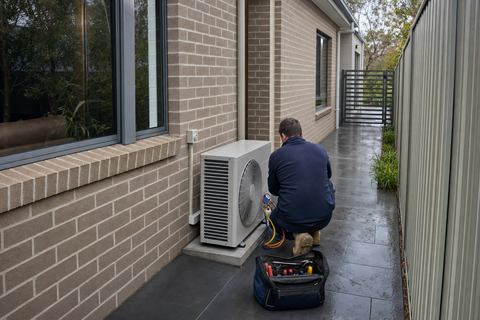
Furthermore, the condensate drain pan located under the coil can become blocked with a jelly-like sludge formed by dust and algae. A professional service involves more than just cleaning filters; it includes checking refrigerant pressures, inspecting electrical terminations, and using specialised cleaners to strip grime from the coils. If your split system air conditioning unit is struggling to reach the set temperature on a 35-degree day despite having clean filters, it is likely that the internal heat exchange surfaces or the outdoor condenser coil need professional attention. A professional can also check for refrigerant leaks, which often manifest as reduced cooling capacity even when airflow is perfect.
Common questions
How often should I clean my AC filters?
For most homes, cleaning filters every two to four weeks during the height of summer or winter is ideal. If you live in a particularly dusty area or have indoor pets that shed hair, you may need to check them more frequently to maintain optimal airflow.
Can I use a vacuum cleaner on my AC filters?
Yes, using a vacuum with a soft brush attachment is the best first step. It removes loose debris without getting it wet, which prevents the dust from turning into a sticky paste that is much harder to wash out of the fine plastic mesh.
Why does my air conditioner smell like vinegar or old socks?
A sour or vinegary smell often indicates a buildup of bacteria or mould on the filters or the indoor coil. This happens when dust and moisture combine over time. Cleaning the filters is the first step, but a professional deep clean may be required if the smell persists.
Is it safe to wash AC filters with soap?
A mild dish soap or neutral detergent is safe for most plastic mesh filters. Avoid harsh chemicals, bleach, or citrus-based cleaners, as these can degrade the plastic and leave a lingering chemical odour that will be blown into your living space when the unit is running.
Do all ducted systems have washable filters?
Not all ducted systems use washable media. Many modern installations use disposable pleated filters that offer higher filtration levels. These cannot be washed and must be replaced entirely once they become discoloured or clogged with dust, usually every six to twelve months.
For more detail, read our air conditioning servicing & maintenance guide.