How much does an AC compressor installation cost?
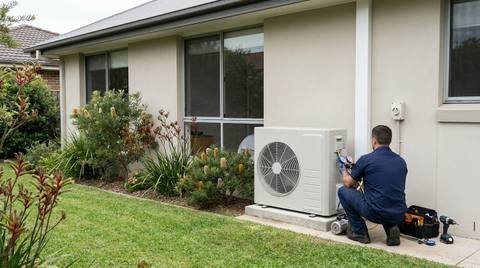
Replacing an air conditioning compressor typically costs between $1,500 and $4,500 for a residential system. This range includes the replacement part, specialised labour, and refrigerant recovery. The final price depends on the system capacity, whether it is a single-phase or three-phase unit, and the specific refrigerant required, as older gases are significantly more expensive than modern alternatives.
Why compressor replacement costs vary by system type
The compressor is the most expensive mechanical component in an air conditioning system, often referred to as the heart of the unit. In 2026, the cost to replace a compressor in a standard wall-mounted split system generally ranges from $1,500 to $2,800. For larger ducted systems, this price typically climbs to between $2,500 and $5,500. The primary driver of this cost is the capacity of the unit, measured in kilowatts (kW). A small 2.5kW compressor for a bedroom unit is physically smaller and less complex than a 16kW or 20kW compressor designed to cool an entire double-storey home.
Technological differences also play a massive role in the pricing. Older fixed-speed compressors, which operate on a simple on-or-off basis, are becoming rarer and sometimes more expensive to source as legacy parts. Modern inverter compressors use variable speed drives to modulate their output. While these are far more energy-efficient, the electronic components required to manage them add to the replacement cost. When we provide a quote for air conditioning repairs, we must match the specific inverter model to the existing outdoor PCB (printed circuit board) to ensure the system communicates correctly. If the compressor has failed due to an electrical surge, there is a high probability the PCB is also damaged, which can add another $600 to $1,200 to the total bill.
The labour intensive reality of a compressor swap
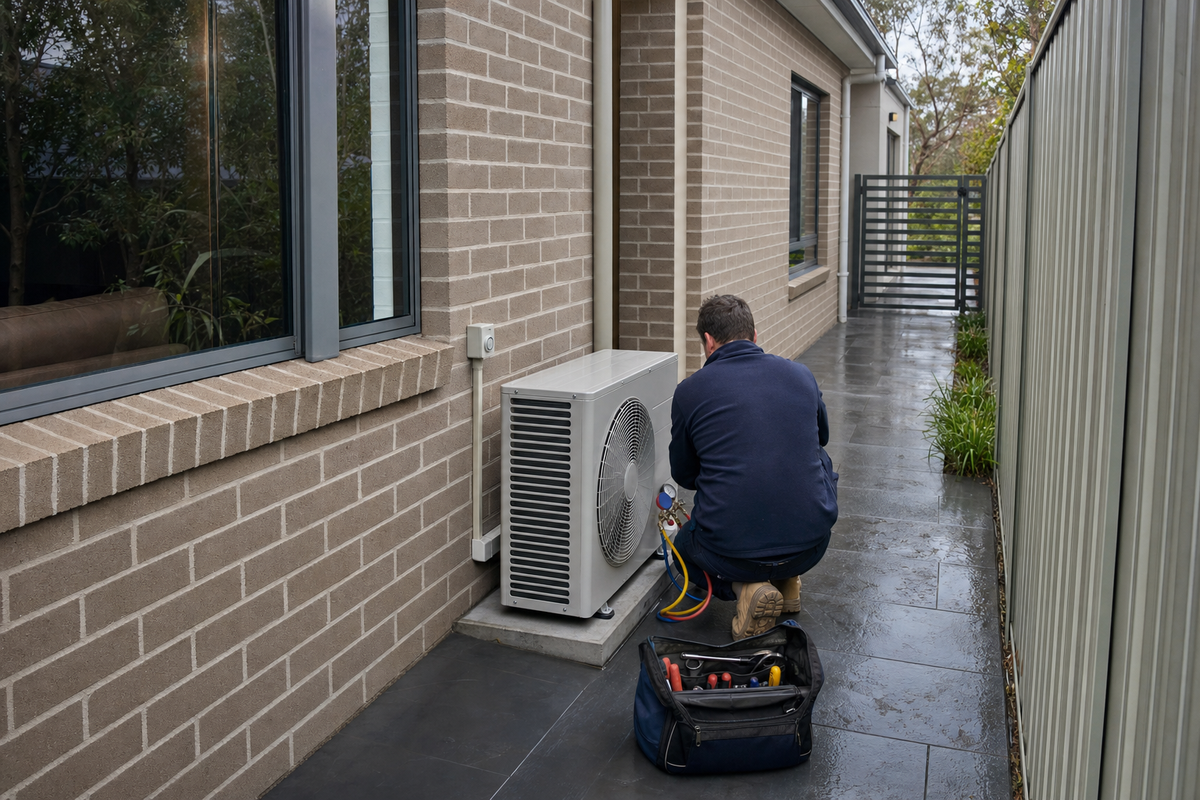
Replacing a compressor is not a simple 'plug and play' task like changing a fan motor. It is a 'sealed system' job that requires a licensed refrigeration mechanic and several hours of precision work. A typical installation takes between four and seven hours. First, the technician must legally recover the existing refrigerant using a reclaim unit and cylinders; venting gas into the atmosphere is illegal and carries heavy fines under Australian environmental regulations. Once the system is empty, the technician uses an oxy-acetylene torch to unbraze the copper suction and discharge lines from the old compressor.
After the old unit is removed, the new compressor is bolted into the chassis. The most critical step follows: brazing the new connections while purging the lines with dry nitrogen. This prevents internal oxidation (soot) from forming inside the copper pipes, which would otherwise clog the new compressor's valves and lead to a second failure. Following the brazing, the system must be pressure tested with nitrogen at approximately 4,000 kPa to ensure there are no leaks. Finally, a vacuum pump is used to remove all moisture and non-condensable gases from the lines, often reaching a vacuum of 500 microns. This level of technical rigour is why labour alone for a compressor swap usually accounts for $800 to $1,500 of the total cost.
Refrigerant costs and the phase-out of older gases
The type of refrigerant your system uses can swing the installation cost by hundreds of dollars. Most systems installed in the last eight years use R32, which is relatively affordable and efficient. However, many older systems still running in Australian homes use R410A or the now-obsolete R22. Because R22 is being phased out globally, the cost per kilogram has skyrocketed. If a large ducted system requires a full 6kg charge of R22, the gas alone could cost more than the compressor itself. In these instances, we almost always recommend a full system upgrade rather than a repair.
Even with modern R32 systems, the volume of gas required depends on the length of the pipe run between the indoor and outdoor units. A standard 'back-to-back' split system might only need the factory charge held within the compressor, but a ducted system in a large home with a long run to the roof cavity will require additional refrigerant. We calculate this by the gram based on the liquid line length. Furthermore, if the previous compressor suffered a 'burnout'—where the motor windings overheat and contaminate the oil—the entire refrigerant circuit must be flushed with specialised cleaning agents. This adds significant time and material costs to the job to prevent the new compressor from being acidified and destroyed within weeks of installation.
Building factors that influence installation difficulty
Physical access to the outdoor condenser unit significantly impacts the final quote. A compressor swap on a unit sitting on a level concrete slab with clear side access is a straightforward procedure. However, many Australian homes, particularly those in hilly areas or on small blocks, have condensers mounted on high wall brackets or even on the roof. If a technician has to work on a steep Colorbond roof or a fragile tiled roof, safety equipment and additional labour are required. In some cases, a two-person team is mandatory for safety compliance, doubling the labour rate for the duration of the job.
Climate also dictates the urgency and complexity of these installs. In a humid coastal climate, such as the coastal regions of Queensland or northern New South Wales, salt air corrosion can seize bolts and deteriorate the aluminium fins of the condenser coil. If the coil is heavily corroded, replacing the compressor is often a poor investment, as the coil is likely to develop a leak shortly after. Conversely, in dry inland zones where summer temperatures regularly exceed 40 degrees, the compressor is under extreme thermal stress. In these environments, we prioritise high-quality oil separators and ensure the new compressor is perfectly levelled to maintain correct lubrication, as even a slight tilt can cause mechanical wear in high-heat conditions.
Comparing compressor repair against full unit replacement
One of the most common questions we face is whether it is better to replace just the compressor or the entire outdoor unit. A new compressor typically comes with a 12-month parts warranty. However, a brand-new outdoor unit—or a complete ducted air conditioning installation—usually carries a 5-year manufacturer warranty covering both parts and labour. If your system is more than eight to ten years old, the mechanical components like the fan motor and the electronic PCBs are likely nearing the end of their service life. Spending $3,000 on a compressor only to have the main board fail six months later is a common frustration for homeowners.
Energy efficiency is another major factor. Minimum Energy Performance Standards (MEPS) in Australia have become significantly more stringent over the last decade. A new unit installed in 2026 will likely use 30% to 50% less electricity than a unit from the early 2000s. For a household that runs their air conditioning heavily during summer, the power bill savings can often 'pay back' the extra cost of a full replacement within four to five years. We generally advise that if the repair cost exceeds 50% of the cost of a new outdoor unit, replacement is the more financially sound path. You can check our service locations to see where our teams can provide a detailed on-site assessment of your system's condition.
Electrical requirements and switchboard upgrades
The electrical health of your home is a hidden variable in compressor installation costs. A compressor is the highest current-drawing component in a residence. If you are upgrading to a larger capacity compressor, your existing wiring and circuit breaker may no longer be adequate. Australian Standard AS/NZS 3000 requires specific safety measures for air conditioning circuits, including dedicated RCD (residual current device) protection. If your home was built in the 1970s and still uses ceramic fuses, a switchboard upgrade will be necessary before the new compressor can be commissioned.
Furthermore, the difference between single-phase and three-phase power is vital. Most smaller homes run on single-phase power, but larger residences with high cooling demands often require three-phase power to handle the load of a 14kW+ compressor. Three-phase compressors are generally more robust and efficient for heavy-duty use, but they are also more expensive to purchase and require more complex wiring. If a single-phase compressor is being replaced in an area with poor power quality—common in some rural or fringe-suburban zones—we often recommend installing a hard-start kit or a surge protector. These additions protect the new motor from the 'brownouts' or voltage spikes that may have caused the original compressor to fail in the first place.
Common questions
Is it worth replacing just the compressor on an old AC unit?
Generally, if the unit is over 10 years old, replacing the compressor is not recommended. The cost of the repair often approaches 50-60% of a new unit's price, and you miss out on the 5-year warranty and improved energy efficiency of a modern system.
How long does it take to install a new AC compressor?
A professional compressor replacement typically takes between 4 and 7 hours. This includes recovering the old refrigerant, unbrazing the old unit, installing the new one, pressure testing with nitrogen, and performing a deep vacuum of the system before recharging.
What are the signs that my AC compressor has failed?
Common signs include the outdoor unit fan running but the air not being cold, a loud 'clunking' or 'screeching' sound upon startup, or the circuit breaker constantly tripping when the cooling cycle begins. A technician will confirm failure by testing the electrical resistance of the motor windings.
Does a compressor replacement include a warranty?
Most replacement compressors come with a 12-month manufacturer's part warranty. This is significantly shorter than the 5-year warranty provided with a complete new system, which is why we often suggest a full outdoor unit replacement for better long-term protection.
Why is the refrigerant charge so expensive during a compressor swap?
Refrigerant costs are high due to environmental levies and manufacturing complexities. If your system uses older gases like R22, which is being phased out in Australia, the cost per kilogram can be several hundred dollars, making a full recharge very costly.
For more detail, read our air conditioning repairs guide.