How much does ducted reverse cycle air conditioning cost?
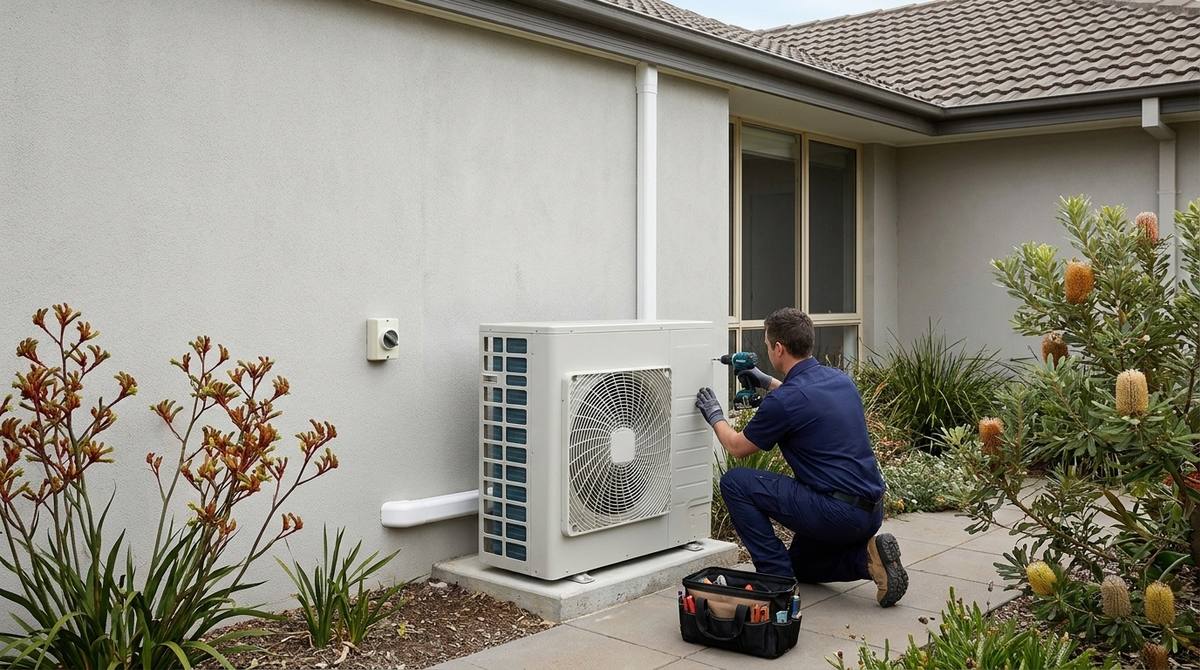
A ducted reverse cycle air conditioning system typically costs between $10,000 and $25,000 for a standard Australian home. This price range is determined by the unit capacity in kilowatts, the number of zones required, and the complexity of the installation, such as electrical upgrades or difficult roof cavity access in older homes.
Why floor area alone gives you the wrong answer
Many homeowners start their research by looking for a price per square metre, but this is rarely how an installer calculates a quote. A 180-square-metre home in a humid coastal climate has vastly different cooling requirements than a 180-square-metre home in a dry inland region. The heat load is the primary driver of equipment size, and equipment size is the primary driver of cost. We look at the orientation of the house, the total area of glass, and whether that glass faces the harsh western afternoon sun. A home with large, unshaded west-facing windows might require a 16 kW unit where a well-shaded home of the same size could comfortably use a 12.5 kW unit. This difference alone can shift the equipment cost by $1,500 to $3,000.
Construction materials also play a significant role. A brick veneer home with R4.0 ceiling insulation retains cool air much more efficiently than an older weatherboard house with no wall insulation and a dark tiled roof that absorbs heat. In a hot dry inland zone, the temperature in a roof cavity can exceed 65 degrees Celsius in mid-summer. This heat radiates through the ceiling and into the ductwork. If the home has high ceilings or an open-plan design, the volume of air to be cooled increases significantly, even if the floor area remains the same. Installers must calculate the total cubic metres and the thermal efficiency of the building envelope to select a unit that won't struggle on a 40-degree day. Choosing a unit that is too small to save on upfront costs often leads to higher electricity bills and a shorter lifespan for the compressor as it works at maximum capacity indefinitely.
How the number of zones drives hardware and labour costs
Zoning is the ability to turn off air conditioning in rooms that are not being used, such as bedrooms during the day or living areas at night. A basic ducted system might have two or three zones, but modern configurations often include eight or more. Each additional zone requires a damper motor, extra ducting, and more complex wiring. The cost of a premium zoning system, which allows for individual temperature control in every room, can add $2,000 to $5,000 to a standard quote. This is not just a matter of comfort; it is a technical requirement for larger homes. If you try to cool a massive five-bedroom house with a single zone, the system must move a huge volume of air regardless of where people are sitting, which is inefficient and puts unnecessary strain on the fan motor.
Labour costs also scale with the number of zones. An installer needs to spend more time in the roof cavity balancing the airflow to ensure that when only one zone is active, the air pressure does not cause whistling at the vents or damage the internal components. In 2026, many homeowners are opting for smart controllers that integrate with home automation. While these provide better control, they require specialised low-voltage data cabling and setup time. When comparing quotes, it is vital to check if the ducted air conditioning installation includes a high-quality zone barrel and motors. Cheaper, generic dampers are prone to sticking or failing after a few seasons, leading to expensive repairs that far outweigh the initial savings of a budget-focused quote.
The hidden impact of roof space and access
Physical constraints of the house often dictate the labour component of a quote. A spacious roof cavity with a high pitch allows installers to move freely and hang the indoor unit and ducting efficiently. Conversely, a low-pitch roof or a house with multiple roof levels can double the time required for installation. If the roof space is too tight, the indoor unit may need to be split into two sections or a specific slimline model must be used, which often carries a price premium. In some cases, tiles or Colorbond sheets must be removed to crane the indoor unit into the ceiling, adding both crane hire and specialised roofing labour to the total bill.
Internal ducting also has various quality levels that affect the price. Standard R1.0 flexible ducting is common, but in many parts of Australia, upgrading to R1.5 or even R2.0 insulation is a smarter long-term investment. This thicker insulation reduces the amount of heat gained or lost as air travels from the indoor unit to the vents. If the duct runs are particularly long, such as in a sprawling single-storey home, the friction loss and thermal loss become significant. Using larger diameter ducts or higher-rated insulation adds to the material cost but ensures the system delivers the temperature shown on the thermostat. We also check for the presence of asbestos in older switchboards or eaves, as safe removal is a mandatory legal requirement that can add $1,000 or more to the project cost before the first air conditioning component is even unboxed.
Electrical requirements and the three-phase power factor
Many homeowners are surprised to find that their existing electrical supply is insufficient for a large ducted system. A standard residential single-phase connection can typically support a unit up to about 14 kW, depending on other household loads like ovens and pool pumps. If the heat load calculation requires a 16 kW, 18 kW, or 25 kW unit, the home will likely need a three-phase power upgrade. This is a significant undertaking that involves a Level 2 electrician and coordination with the local energy distributor. A three-phase upgrade can cost anywhere from $3,000 to $6,000, depending on the distance from the street to the switchboard and the condition of the existing wiring.
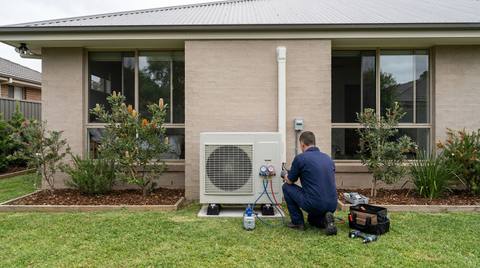
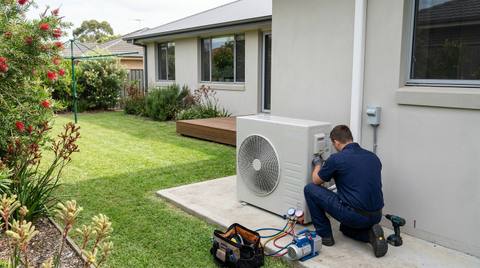
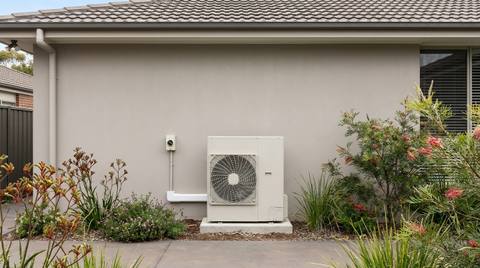
Even if the home already has three-phase power, the switchboard may need a complete overhaul to meet current AS/NZS 3000 wiring standards. This includes installing safety switches (RCDs) for the new air conditioning circuits. An installer will also look at the distance between the outdoor condenser and the indoor fan coil unit. Long pipe runs require more refrigerant and larger copper pipe diameters to maintain efficiency. If the outdoor unit needs to be mounted on a wall bracket or a custom concrete plinth to keep it clear of garden beds or to prevent vibration, these small additions contribute to the final price. These electrical and structural necessities are why a site inspection is more reliable than an over-the-phone estimate.
Brand selection and technical differences
While we don't recommend brands based on marketing, there are genuine technical differences between manufacturers that justify price variations. Premium brands like Daikin or Mitsubishi Electric often invest more in their inverter compressor technology, which allows the unit to ramp down to a very low power state once the target temperature is reached. This precision reduces wear and tear and lowers running costs. A cheaper, entry-level unit might have a more basic inverter that cycles on and off more frequently, leading to temperature fluctuations and higher noise levels. When comparing the split system air conditioning options for a single room versus a whole-house ducted system, the quality of the compressor becomes even more critical due to the higher loads involved.
Corrosion protection is another factor that moves the needle on price. For homes in a humid coastal climate, the outdoor unit is constantly exposed to salt air. Premium manufacturers often apply a specialised coating to the heat exchanger fins to prevent
Common questions
Why is there such a large price range for ducted systems?
The range of $10,000 to $25,000 exists because every home has a different heat load. A small three-bedroom cottage requires a much smaller unit and fewer duct runs than a large two-storey five-bedroom home. Additionally, structural factors like roof access and the need for electrical switchboard upgrades can add several thousand dollars to the total installation cost.
Does a more expensive brand save money in the long run?
Often, yes. Higher-end brands typically offer better part availability and more efficient inverter technology. This means the system uses less electricity to maintain the same temperature and is less likely to require a full replacement if a single component fails after the warranty period. Better build quality also results in quieter operation, which is a major factor for units placed near bedrooms.
Can I save money by using my old ductwork?
It is rarely a good idea to reuse old ductwork when installing a new reverse cycle system. Older ducts often have lower R-value insulation and may have developed leaks or accumulated dust and mould over time. Modern high-efficiency units require specific airflow volumes that older, smaller ducts cannot always handle, which can lead to system failure or poor performance.
How much does it cost to run a ducted reverse cycle system?
Running costs vary based on your electricity tariff and how you use the system. However, using zoning effectively to only cool occupied rooms can significantly reduce bills. A well-maintained system with a high energy rating will typically cost between $2.00 and $5.00 per day during peak summer or winter periods, depending on the size of the home and the set temperature.
Is a three-phase power upgrade always necessary for ducted air?
No, it is not always necessary. Most homes can support a ducted system up to 14 kW on single-phase power. However, if your home is large or has high heat gain from large windows, you may need a unit larger than 14 kW. In these cases, three-phase power is required to handle the electrical load safely and meet Australian standards.
For more detail, read our ducted air conditioning guide.