How much does reverse cycle air conditioning cost to install?
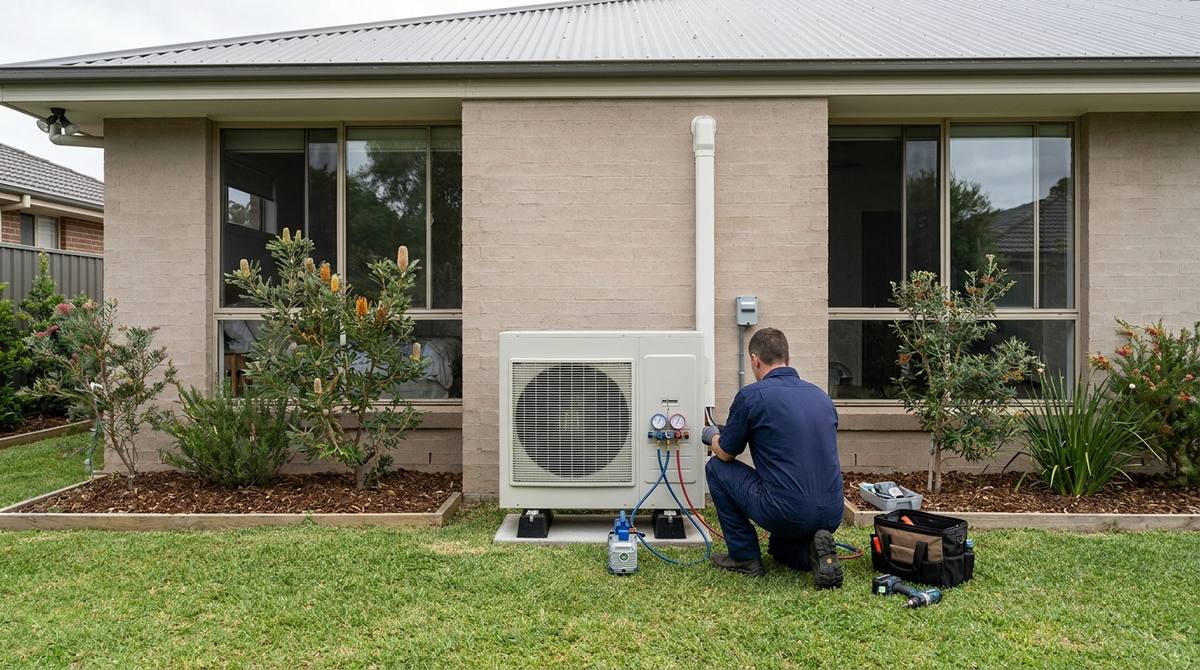
A reverse cycle air conditioning system typically costs between $2,500 and $20,000 including installation. Small split systems start around $2,000 to $3,500, while whole-home ducted solutions for a standard four-bedroom house usually range from $9,000 to $16,000. These figures vary based on unit capacity, the number of zones required, and the specific electrical requirements of your property.
Why the system type dictates your starting price
The most significant factor in reverse cycle air conditioning cost is the architecture of the system itself. A single wall-mounted split system air conditioning unit is the most affordable entry point, usually costing between $2,000 and $4,500 installed. This price covers the indoor unit, the outdoor compressor, and a standard back-to-back installation. These systems are ideal for single rooms or open-plan areas where a whole-home solution is not required. However, the price increases if the indoor and outdoor units are far apart, requiring long refrigerant pipe runs and additional labor to hide the copper lines behind decorative trunking.
Multi-head split systems offer a middle ground, connecting up to five indoor units to a single outdoor compressor. These installations typically range from $5,000 to $12,000. While they save space outside, they are often more labor-intensive to install than individual split systems because every indoor unit must have its own dedicated refrigerant and communication lines running back to the central compressor. This complexity means that a multi-head system is not always cheaper than installing two or three separate split systems, though it is often preferred where outdoor space is limited or aesthetic requirements are strict.
For comprehensive climate control, ducted air conditioning installation is the standard for modern homes. A ducted system for a small three-bedroom home starts around $9,000, while a large, two-storey five-bedroom home can reach $20,000 or more. The price includes the indoor fan coil unit hidden in the roof, the outdoor compressor, the ducting network, and the control interface. The wide price range for ducted systems is driven by the capacity of the unit, the quality of the ducting insulation, and the number of zones required to manage airflow efficiently.
Capacity requirements and the impact of heat load
The capacity of an air conditioner is measured in kilowatts (kW), and selecting the right size is critical for both price and performance. A 2.5kW unit might suffice for a small bedroom, while a large open-plan living area might require 7kW to 9kW. For ducted systems, whole-home capacities usually fall between 10kW and 25kW. A higher kW rating directly increases the cost of the hardware; for example, jumping from a 12kW to a 14kW ducted unit can add $1,000 to $1,500 to the equipment cost alone. We measure each room rather than taking a total floor area to ensure the capacity is matched to the actual thermal load.
Heat load is influenced by more than just square metres. A home with large, west-facing glass windows and a dark tiled roof in a hot dry inland zone will require a significantly higher capacity than a well-shaded home with eaves and high R-value insulation. Climate plays a major role in these calculations. For instance, a Darwin install fights humidity where a Canberra one fights winter, requiring different prioritisation of cooling versus heating efficiency. While a Brisbane home might require a system with high moisture removal capacity, a Hobart property will prioritise the heating performance of the outdoor unit in sub-zero temperatures.
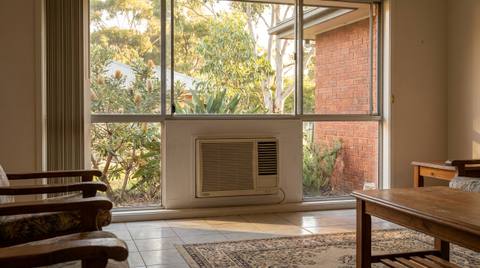
Insulation levels also move the price needle. If a home has R4.0 batts in the ceiling and high-quality wall insulation, we can often specify a smaller, less expensive unit because the building retains its treated air more effectively. Conversely, homes built in the 1970s with minimal insulation and large single-glazed windows often require oversized units to compensate for the rapid heat gain in summer and loss in winter. This is why a professional heat load assessment is essential before any hardware is purchased.
Electrical upgrades and switchboard requirements
A frequently overlooked component of reverse cycle air conditioning cost is the electrical infrastructure of the home. All air conditioning installations must comply with AS/NZS 3000, the Australian wiring rules. Most split systems require a dedicated circuit back to the switchboard. If your switchboard is older, it may lack the space or the safety switches (RCDs) required by current standards. Upgrading a switchboard to accommodate a new air conditioner typically adds $800 to $2,000 to the total project cost, depending on the complexity and the need to replace old ceramic fuses with modern circuit breakers.
The total power supply to the property is another critical factor. Most standard residential homes have a single-phase power supply, which is generally sufficient for systems up to about 12kW or 14kW. However, larger ducted systems often require a three-phase power supply to operate efficiently and avoid overloading the network. If your home currently only has single-phase power and you require a high-capacity 20kW system, the cost to upgrade the street connection to three-phase can be several thousand dollars, involving both an electrician and the local supply authority.
Modern inverter technology has helped reduce the peak starting current of these systems, but the ongoing power draw remains significant. We always check the existing load on your switchboard—including electric ovens, pool pumps, and EV chargers—before recommending a system size. If the total load exceeds the capacity of the main service fuse, we must either downsize the air conditioner or invest in a supply upgrade. These technical requirements are why a cheap quote that ignores electrical compliance often leads to significant hidden costs later in the installation process.
Structural complexity and labor costs for installers
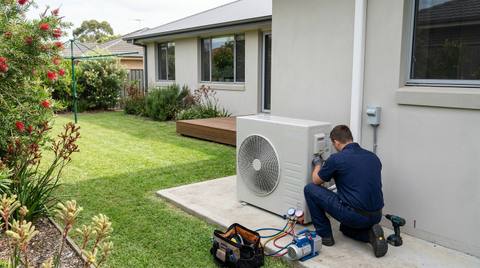
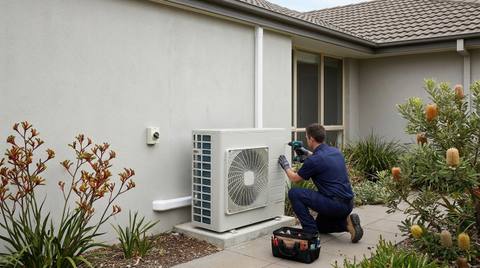
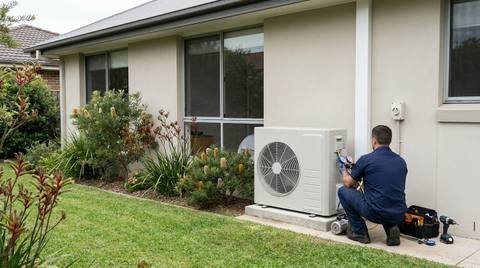
The physical layout of your home determines the labor hours required for an installation. A standard back-to-back split system installation takes two technicians roughly three to four hours. However, if the unit is being installed on an internal wall, the technicians must run the refrigerant pipes and drain lines through the roof cavity or under the floor, which can double the labor cost. Core drilling through double brick or concrete also adds to the expense, as it requires specialised equipment and more time than drilling through a standard timber-framed brick veneer wall.
For ducted systems, roof space is the primary variable. A high-pitched roof with plenty of crawling room allows for a faster, cleaner installation. In contrast, a low-pitched roof or a flat roof with no cavity makes it extremely difficult to run large-diameter flexible ducting. In some cases, we may need to use rigid ducting or create bulkheads to house the system, which significantly increases the price. Multi-storey homes present their own challenges, often requiring a "dropper" or a vertical chase to run the ducts from the roof to the ground floor. If there is no internal cupboard or void available, we may need to run the ducting externally in a colorbond shroud.
Site access also impacts the final figure. If the outdoor unit needs to be craned onto a roof or a balcony, the crane hire alone can add $1,000 to $2,000. Similarly, if the condenser is being mounted on a wall bracket at height, scaffolding or specialised lifting equipment may be required for safety compliance. Installers working in a roof cavity in February face extreme temperatures, often exceeding 50 degrees Celsius, which requires frequent breaks and slower progress to ensure a safe and high-quality result. These labor factors are why we conduct a site inspection before providing a firm quote.
The cost of zoning and smart control systems
Zoning is what makes a ducted reverse cycle system efficient, but it also adds to the initial investment. A basic ducted system might come with two or three zones that are either all on or all off. Upgrading to a more sophisticated zoning system with individual temperature control (ITC) in each room allows you to maximise comfort and minimise energy waste. Each additional zone requires a motorised damper, a wall sensor, and additional low-voltage wiring. Adding a high-end zoning package to a standard install typically costs between $1,500 and $3,500.
Smart controls have become a standard request for modern Australian homes. Systems like AirTouch or MyAir allow you to control your air conditioning from a smartphone or integrate it with home automation platforms. These systems provide much more granular control over the airflow, allowing you to divert more air to a west-facing lounge in the afternoon while reducing it in empty bedrooms. While these controllers add to the upfront cost, they often pay for themselves by reducing the workload on the compressor and lowering electricity bills. You can find more information on these integrated solutions in our package deals section.
Beyond the hardware, the way a system is zoned affects the ducting layout. A well-designed zone plan ensures that the air pressure remains balanced even when only one or two rooms are being cooled. This prevents the "whistling" noise often associated with poorly designed systems where too much air is forced through too few outlets. The labor involved in balancing these dampers and testing the static pressure of the system is a key part of the installation cost. A cheap quote often skips this step, resulting in a system that is noisy and inefficient.
Long-term value and efficiency considerations
When evaluating the cost of reverse cycle air conditioning, the initial purchase price is only part of the equation. The energy efficiency of the unit, often labelled as the Zoned Energy Rating Label (ZERL), determines how much you will pay in running costs over the next ten to fifteen years. High-efficiency units use inverter technology to vary the speed of the compressor, maintaining a steady temperature without the energy spikes caused by older on-off systems. While a premium high-efficiency unit might cost $1,000 more upfront, it can save hundreds of dollars annually on electricity bills.
Material quality also varies between installers. We use high-quality copper piping with UV-resistant insulation and heavy-duty mounting brackets to ensure the system survives the harsh Australian climate. Coastal salt corrosion can destroy a cheap outdoor unit in just a few years, so homes within a few kilometres of the ocean should consider units with specialised anti-corrosion coatings on the condenser fins. These "Gold Fin" or "Blue Fin" treatments add a small amount to the price but are essential for long-term reliability in coastal environments.
Finally, regular maintenance is required to protect your investment. A system that is not serviced regularly will work harder to achieve the same cooling effect, increasing wear and tear on the compressor and leading to premature failure. We recommend an annual air conditioning service to clean the filters, check refrigerant levels, and ensure the drain lines are clear. This preventative maintenance is the best way to ensure that your reverse cycle system reaches its expected twenty-year lifespan, providing the best possible return on your initial investment. You can learn more about our service locations and how we support our installs across the country on our about our team page.
Common questions
Is it cheaper to install a split system or ducted air conditioning?
A split system is significantly cheaper to install, starting around $2,000, because it requires no ductwork and less labor. Ducted systems start at approximately $9,000. However, if you need to climate control four or more rooms, the cost of multiple split systems may eventually equal or exceed the price of a single ducted solution.
Does a reverse cycle system cost more to run for heating or cooling?
Reverse cycle systems are highly efficient for both, but costs vary by climate. In a humid coastal climate, cooling costs may be higher due to dehumidification needs. In colder inland zones, heating may draw more power. Generally, these systems are much cheaper than electric bar heaters or gas heating for the same output.
How much does a switchboard upgrade add to the installation cost?
A switchboard upgrade typically adds between $800 and $2,000. This is necessary if your existing board is full, lacks modern safety switches, or cannot handle the additional electrical load of a large reverse cycle unit. This work must be performed by a licensed electrician to comply with Australian safety standards.
Are there hidden costs in a reverse cycle air conditioning quote?
Common hidden costs include electrical upgrades, core drilling through thick walls, crane hire for roof access, and the installation of safety trays in the roof cavity. We provide detailed quotes that include these factors after a site inspection to ensure there are no surprises during the installation process.