Ducted air conditioning cost for a 3 bedroom house
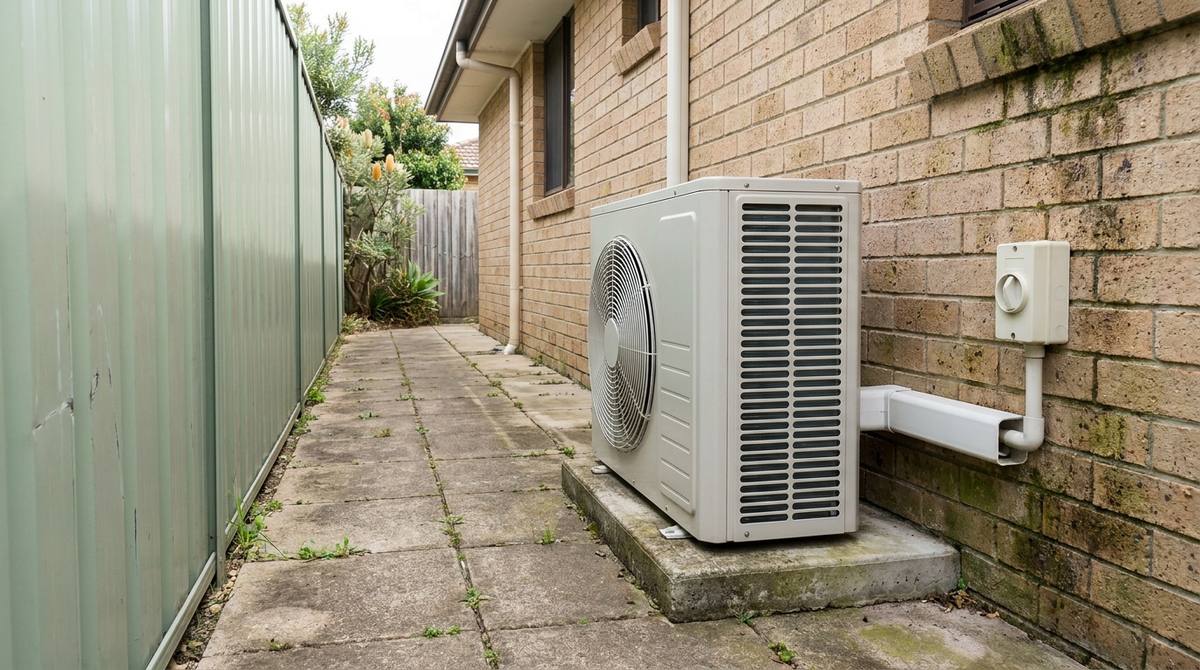
For a standard 3 bedroom house in Australia, ducted air conditioning typically costs between $8,000 and $14,000. This price range covers a 10 kW to 12.5 kW system, including installation and basic zoning. Factors such as the number of zones, roof cavity access, electrical switchboard capacity, and the choice between premium or value-tier brands will determine where a specific quote lands.
How capacity and thermal load dictate the price
A three-bedroom home usually requires a system capacity between 10 kW and 14 kW. Calculating this is not a simple matter of floor area; we look at the orientation of the house first. A home with large, west-facing windows in a dry inland climate will absorb significantly more heat in the late afternoon than a south-facing home in a shaded coastal gully. If you have 30 square metres of glass facing the setting sun without external shading, the heat load can increase by several kilowatts. This moves the price because a 14 kW unit is physically larger and more expensive than a 10 kW unit. The indoor unit also becomes heavier, requiring more structural support in the ceiling joists.
If we undersize the unit to save $1,500 on the initial quote, the system will run at 100% capacity for hours without reaching the set point, leading to higher electricity bills and a shorter lifespan for the compressor. We also consider the ceiling height. A 2.7-metre ceiling adds about 12% more air volume to cool compared to a standard 2.4-metre ceiling. This volume must be accounted for in the airflow calculations, which might necessitate larger diameter ducting or a more powerful fan motor. When we provide a quote, these thermal variables are the primary reason one three-bedroom house costs $9,000 while the identical floor plan next door costs $11,500. We prioritise getting the heat load calculation right before selecting the hardware.
The impact of zoning and control systems
Zoning is the most effective way to manage both the upfront cost and the running expenses of ducted air conditioning. In a three-bedroom house, a standard configuration usually involves four zones: one for each bedroom and one for the main living area. The cost increases as you add more granular control. For instance, a basic day/night setup—where you can only switch between the bedrooms or the living area—is the most affordable option. However, most modern homeowners prefer individual room control. Adding a high-end zone controller with a touchscreen interface and Wi-Fi connectivity adds roughly $1,200 to $2,500 to the total.
These systems allow you to adjust the airflow to each room in 5% increments. This is particularly useful if one bedroom is naturally colder than the others due to its position in the house. The hardware involved includes the central control hub, the wall-mounted tablet, and the electronic dampers located inside the ductwork. Each damper is a motorised blade that opens or closes based on the signal from the controller. If your house has a complex layout where the kitchen, dining, and lounge are all separate rooms, you may need six or seven dampers. Each additional motorised damper increases the labour time for the installer and the material cost of the project. We often find that investing in a smarter ducted air conditioning installation with better zoning pays for itself within three years through reduced energy consumption, as you are not cooling empty rooms all day.
Roof cavity constraints and installation complexity
The physical structure of your roof determines how difficult the installation will be, which directly impacts the labour component of the quote. A standard brick veneer home with a pitched tiled roof and a generous cavity is the ideal scenario for an installer. If there is enough room for a technician to move freely, the job moves quickly. However, many modern three-bedroom designs feature low-pitch metal roofs with very little clearance. In some cases, there is less than 600mm of space between the ceiling joists and the roof sheets. This makes it impossible to fit a standard indoor fan coil unit through the man-hole.
To solve this, we sometimes have to remove several sheets of Colorbond or a section of tiles to crane the unit into position from the outside. This can add $1,000 to $2,000 to the bill. We also have to consider the return air path. This is the large grille, usually located in a hallway, that draws air back into the system. If your home has a narrow hallway or no central location, we may need to install multiple return air points, which requires more ducting and more ceiling cuts. Furthermore, the type of insulation in your ceiling affects the heat gain of the ducts themselves. We recommend using R1.5 rated flexible ductwork rather than the standard R1.0. While R1.5 is more expensive and bulkier to install in tight spaces, it prevents the cooled air from warming up as it travels through a 60-degree roof cavity in mid-summer.
Electrical requirements and switchboard upgrades
Electrical infrastructure is a frequently overlooked cost when pricing air conditioning for older three-bedroom homes. A 12.5 kW ducted system can draw 20 to 25 amps under full load. If your home was built in the 1970s or 80s, your switchboard might only be rated for 40 or 60 amps total. Adding a large air conditioner to an old board that is already running an electric oven, a hot water system, and a pool pump can exceed the main fuse capacity. An upgrade to a modern circuit breaker board with safety switches is often mandatory to meet current local standards (AS/NZS 3000).
A basic switchboard refresh might cost $800, but if the consumer mains—the heavy cables running from the street to your house—need upgrading to handle the extra load, the cost can rise by $3,000 or more. We also evaluate whether the system requires a single-phase or three-phase power supply. Most residential 3-bedroom houses are single-phase. However, premium units above 14 kW often perform better on three-phase power because they draw less current per phase, which is more stable for the compressor. If your street has three-phase power available but your house is not connected to it, bringing that third phase in is a significant investment. We usually suggest staying within the limits of single-phase power for a standard three-bedroom home to keep the installation cost manageable, unless the heat load of the building absolutely demands a massive unit.
Regional climate and material selection
Regional climate factors dictate the specific materials we use, which influences the final price. For a home in a humid coastal environment, such as the northern parts of New South Wales or Queensland, salt air corrosion is a major concern. The outdoor condenser unit is made of metal and aluminium fins that can degrade rapidly if not treated correctly. We specify Gold Fin or Blue Fin anti-corrosive coatings for these locations. This adds a small premium to the unit price but prevents the coil from disintegrating within five years.
In contrast, a home in a dry inland area like Wagga Wagga or Dubbo faces extreme heat stress. In these zones, the system must be rated to operate in ambient temperatures exceeding 45 degrees Celsius. Some budget units will derate or shut down entirely once the outside temperature hits 40 degrees. We choose units with larger heat exchangers for these climates to ensure they can still reject heat effectively when the sun is beating down on the brickwork. The construction material of the house also plays a role. A double-brick home has high thermal mass; it takes a long time to heat up but also a long time to cool down. A lightweight weatherboard home reacts much faster to temperature changes. We adjust the fan speed settings and the duct layout based on these materials to ensure the air reaches the corners of the rooms effectively without creating noisy draughts.
Comparing premium and budget hardware
The choice of brand is the final major lever in the cost of a three-bedroom ducted system. We generally categorise brands into three tiers. The premium tier includes names like Daikin and Mitsubishi Electric. These companies have extensive spare parts warehouses within Australia and offer robust warranties. You are paying for the engineering of the compressor and the quietness of the outdoor unit. A premium 12.5 kW system might cost $11,000 to $13,000 installed. The mid-tier includes brands like Fujitsu, Panasonic, and Samsung. These are reliable, high-performance units that often have better smart-home integration out of the box. These typically sit in the $9,500 to $11,500 range.
Finally, there are value-tier brands that offer a basic split system air conditioning or ducted experience for a lower entry price. While these units can be $2,000 cheaper, the trade-off is often in the noise levels and the availability of technical support ten years down the line. We advise clients to look at the total cost of ownership rather than just the quote. A unit that is $1,000 cheaper but 15% less efficient will cost you more in electricity over its fifteen-year lifespan. We also check the warranty terms; a brand that offers a full five-year parts and labour warranty is the minimum standard we recommend for any residential installation. Choosing a brand with a strong local presence ensures that if a sensor fails in five years, we can actually source the part to fix it.
Common questions
Does a 3 bedroom house need three-phase power for ducted air conditioning?
Most residential 3 bedroom houses locally operate on single-phase power, which is sufficient for systems up to 12.5 kW or 14 kW. However, if your home has very high heat loads requiring a larger unit, or if you have many other high-draw appliances, a three-phase upgrade might be necessary to avoid tripping the main circuit breaker.
How long does it take to install ducted air conditioning in a 3 bedroom home?
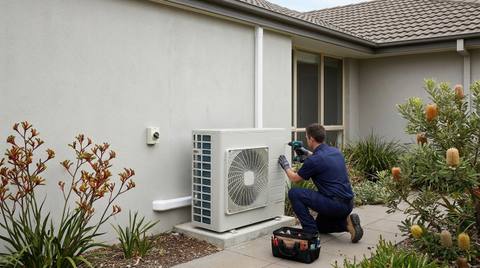
A standard installation usually takes two days for a team of two or three technicians. The first day involves roughing-in the ductwork and indoor unit, while the second day focuses on the outdoor unit connection, electrical commissioning, and installing the ceiling vents and controllers.
Can I add more zones to my 3 bedroom ducted system later?
It is possible but significantly more expensive to add zones after the initial installation. It requires cutting into the existing ductwork, installing new motorised dampers, and potentially upgrading the control module. We recommend finalised your zone plan during the initial quote to avoid these higher labour costs down the track.
Is R1.5 ducting worth the extra cost over R1.0?
Yes, especially in a hot climate with a dark tiled roof. R1.5 insulation is thicker and more effective at preventing thermal loss as air travels from the unit to your rooms. This improves the efficiency of the system and ensures that the air coming out of the vents is as cold as possible.
What is the cheapest way to air condition 3 bedrooms?
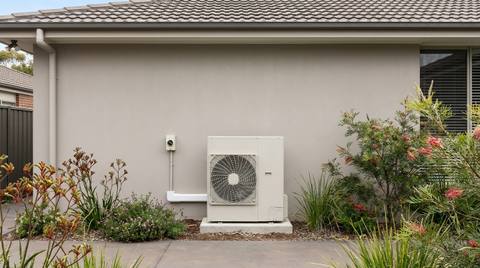
The lowest upfront cost is usually installing individual split systems in each bedroom. However, if you also want to cool the living area, a ducted system often becomes more cost-effective once you reach four or more indoor units, as it only requires one outdoor condenser and one electrical circuit.
For more detail, read our ducted air conditioning guide.