Daikin ducted aircon price and installation factors
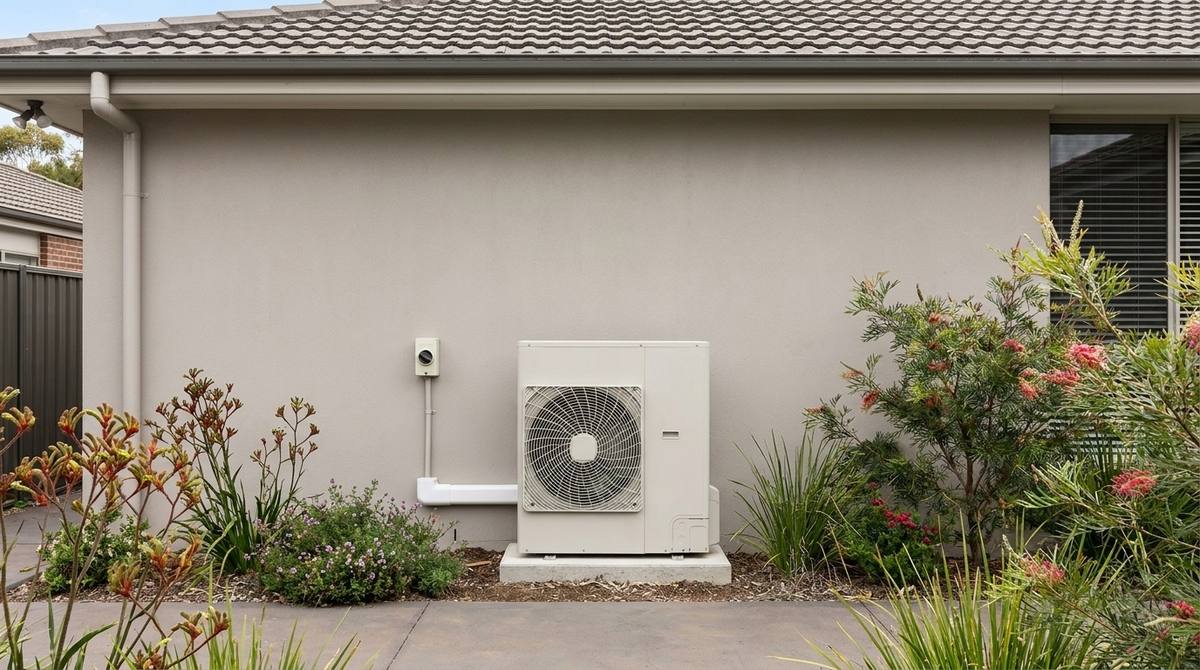
A Daikin ducted air conditioning system typically costs between $9,000 and $22,000 to install in a standard Australian home. Prices for a small 7kW system start around $8,500, while larger 14kW to 16kW systems for four-bedroom homes range from $12,500 to $18,000. High-capacity three-phase systems for large two-storey residences often exceed $20,000 depending on zoning and electrical requirements.
How capacity and phase supply dictate the starting price
The most significant driver of a Daikin ducted air conditioning price is the nominal cooling capacity required for the building. This is measured in kilowatts (kW) and is determined by the total volume of air that needs to be cooled or heated simultaneously. For a small single-storey home with three bedrooms, a 7.1kW or 8.5kW unit is often sufficient, with hardware and installation costs typically landing between $8,500 and $11,000. As the floor area increases, so does the requirement for air volume. A standard four-bedroom brick veneer home usually requires a 12.5kW to 14.0kW system, which moves the price range into the $13,000 to $16,000 bracket. Large open-plan residences or two-storey homes with significant west-facing glass may require 16kW, 18kW, or even 24kW units, where prices frequently exceed $20,000.
Beyond raw capacity, the electrical phase supply of the property plays a critical role in the final quote. Most older Australian homes are equipped with single-phase power, which generally limits the air conditioning capacity to approximately 14kW or 16kW depending on the local network provider's restrictions. If a home requires a larger 20kW or 24kW system, it must be a three-phase unit. If the property does not already have three-phase power connected from the street, the homeowner faces an additional cost often ranging from $3,000 to $5,000 just for the electrical service upgrade before the ducted air conditioning installation even begins. We evaluate the existing switchboard capacity early in the quoting process to ensure the hardware selected is compatible with the home's available amperage.
Why the specific Daikin series moves the quote
Daikin offers several distinct series of ducted indoor and outdoor units, and the choice between them can shift the price by $1,500 to $3,500 for the same capacity. The Standard Inverter series is the entry-level option, providing reliable performance and the core benefits of reverse cycle technology. However, many homeowners opt for the Premium Inverter series. The Premium range is designed with a larger heat exchanger and a more sophisticated compressor that allows it to maintain its rated capacity even when outdoor temperatures are extreme. While the upfront cost is higher, the Premium Inverter is more energy-efficient at part-load, which can reduce long-term running costs in climates where the system runs for many hours a day.
Another technical variation is the choice between the slimline FBA series and the standard FDYQN or FDYA fan coil units. Slimline units are specifically engineered for homes with very tight ceiling spaces, such as the lower floor of a two-storey house or modern apartments with bulkheads. These specialised indoor units often carry a price premium due to their compact engineering. Furthermore, Daikin has transitioned much of its range to R32 refrigerant, which has a lower global warming potential and better heat transfer properties than the older R410A. Ensuring you are quoted for the latest R32 model is important for future-proofing the system, as older refrigerants eventually become more expensive to source during a regular air conditioning service or repair.
How zoning technology adds to the total investment
A base Daikin quote usually includes a standard wall-mounted controller and a simple zoning setup where rooms are grouped together. However, the modern standard for comfort in Australian homes is individual room temperature control. Adding a sophisticated zoning system like Daikin AirBase or a third-party integration like AirTouch 5 or MyAir can add $2,500 to $5,000 to the total project cost. These systems allow you to adjust the airflow to each room in 5% increments, or even set different temperatures for different bedrooms. This is particularly useful in two-storey homes where the heat load on the upper floor is significantly higher than the ground floor.
Without advanced zoning, a system often operates in an all-or-nothing fashion, which is inefficient if you only want to cool one bedroom at night. By investing in a system with Variable Air Volume (VAV) dampers, the Daikin indoor unit can slow down its fan speed and adjust the refrigerant flow to match the specific demand of the open zones. This prevents the system from 'short-cycling' and reduces wear on the compressor. When we design a zone plan, we look at the orientation of the house; a room with large north-facing windows in a dry inland climate needs more airflow than a shaded room on the south side. The cost of the additional motors, sensors, and the more complex control hub is what drives the price upward from a basic installation.
Why roof construction and duct quality change the price
The physical environment where the unit is installed dictates the labour hours and material quality required. A home with a steep pitched roof and ample crawl space is a straightforward installation. Conversely, a low-pitch roof with a dark tiled surface can reach temperatures over 60 degrees Celsius in summer, making installation slower and more difficult. If the roof cavity is too tight for a standard indoor unit, it may need to be split into two pieces (a 'double-fan' or 'splitable' indoor unit), which adds to the labour cost. We also consider the roofing material; Colorbond roofs require different mounting brackets and weatherproofing than concrete or terracotta tiles.
The quality of the ductwork itself is a hidden variable in many low-cost quotes. Australian standards specify minimum R-values for duct insulation to prevent thermal loss. In most regions, R1.0 insulation is the minimum, but we often recommend R1.5 or R2.0 for homes in extreme climates, such as those facing the humid heat of Darwin or the winter chill of Hobart. Higher R-value ducting is thicker and more expensive, but it ensures that the air reaching the vents is actually at the temperature the machine produced. Poorly insulated ducts can lose up to 30% of their cooling capacity before the air even enters the room, forcing the Daikin unit to work harder and increasing your electricity bills.
Electrical upgrades and compliance costs
Every ducted air conditioning installation must comply with AS/NZS 3000, the Australian wiring rules. This involves more than just plugging the unit into a wall. A dedicated circuit must be run from the main switchboard to the outdoor unit, and a separate isolation switch must be installed within line-of-sight of the condenser. If your home was built more than 20 years ago, the existing switchboard may not have the physical space or the current-carrying capacity for a large air conditioner. Upgrading a switchboard to include modern safety switches (RCDs) and adequate circuit breakers can add $800 to $1,500 to the total price.
In some cases, the power supply from the street to the house is insufficient for the combined load of an electric oven, a clothes dryer, and a large Daikin ducted system. If the total demand exceeds the rating of the consumer mains, those cables must be replaced. This is common in older suburbs where the original infrastructure was designed for far lower electrical loads. While a split system air conditioning unit might only draw 10 to 15 amps, a large ducted system can draw 25 to 40 amps. We conduct a maximum demand calculation as part of our technical assessment to ensure the home's electrical system can safely handle the new load without tripping the main fuse during a heatwave.
Hidden structural factors that influence labour costs
The layout of the home and the desired location of the vents significantly impact the labour component of a Daikin quote. A single-storey home with a clear path for duct runs is the baseline. However, if the home is two-storey and there is no existing 'dropper' (a vertical void to run ducts between floors), we may need to build a bulkhead or use a wardrobe to hide the ducting. This requires additional carpentry and plastering work, which can add $1,000 to $3,000 to the project. Similarly, the choice of vents—ranging from standard plastic multi-directional outlets to high-end linear slot diffusers—affects both the aesthetic and the price. Linear slots are often preferred in modern architectural homes but require more precise framing and installation time.
External factors also matter. If the outdoor unit needs to be mounted on a wall bracket because there is no ground space, or if it needs to be craned over the house because of narrow side-access, these logistical hurdles add to the cost. In coastal areas, we must also account for salt spray; while Daikin units have high-quality coatings, additional anti-corrosion treatments may be necessary to ensure the longevity of the aluminium fins on the heat exchanger. Every quote is a balance of these technical requirements. A cheaper quote often indicates that the installer is using inferior ducting or skipping the necessary electrical upgrades, which can lead to system failure or unsafe operating conditions. We prioritise a complete installation that meets all Australian standards and manufacturer specifications.
Common questions
How much does a 14kW Daikin ducted air conditioner cost?
For a standard four-bedroom single-storey home, a 14kW Daikin ducted system typically costs between $13,500 and $16,500. This price includes the outdoor condenser, the indoor fan coil unit, standard ductwork, a wall controller, and basic electrical work. The price varies based on the number of zones and the complexity of the roof space.
What is the price difference between Daikin Standard and Premium Inverters?
The Premium Inverter series generally costs between $1,500 and $2,500 more than the Standard Inverter for the same kilowatt capacity. The extra investment provides better energy efficiency, especially during extreme temperatures, and a more robust compressor design that can lower long-term electricity consumption in most Australian climates.
Does the installation price include a switchboard upgrade?
Most standard quotes include a new dedicated circuit and safety switch for the air conditioner, but they do not include a full switchboard upgrade. If your existing board is full or outdated, an upgrade can add $800 to $1,500 to the total cost. We check this during the initial site inspection.
Why are two-storey Daikin installations more expensive?
Two-storey homes require more labour and materials to move air between levels. This often involves creating a vertical void or 'dropper' for the ducts, which may require carpentry. Additionally, the labour involved in working across two levels and the increased length of copper pipe and cabling typically adds $2,000 to $4,500 to the price.
Can I save money by choosing a smaller capacity Daikin unit?
Under-sizing a system to save on the purchase price is usually a mistake. A unit that is too small for the heat load of the building will run constantly at maximum speed, leading to higher electricity bills and premature mechanical failure. It is more cost-effective to install the correct capacity and use smart zoning to manage usage.
For more detail, read our ducted air conditioning guide.