Evaporative cooling installation cost
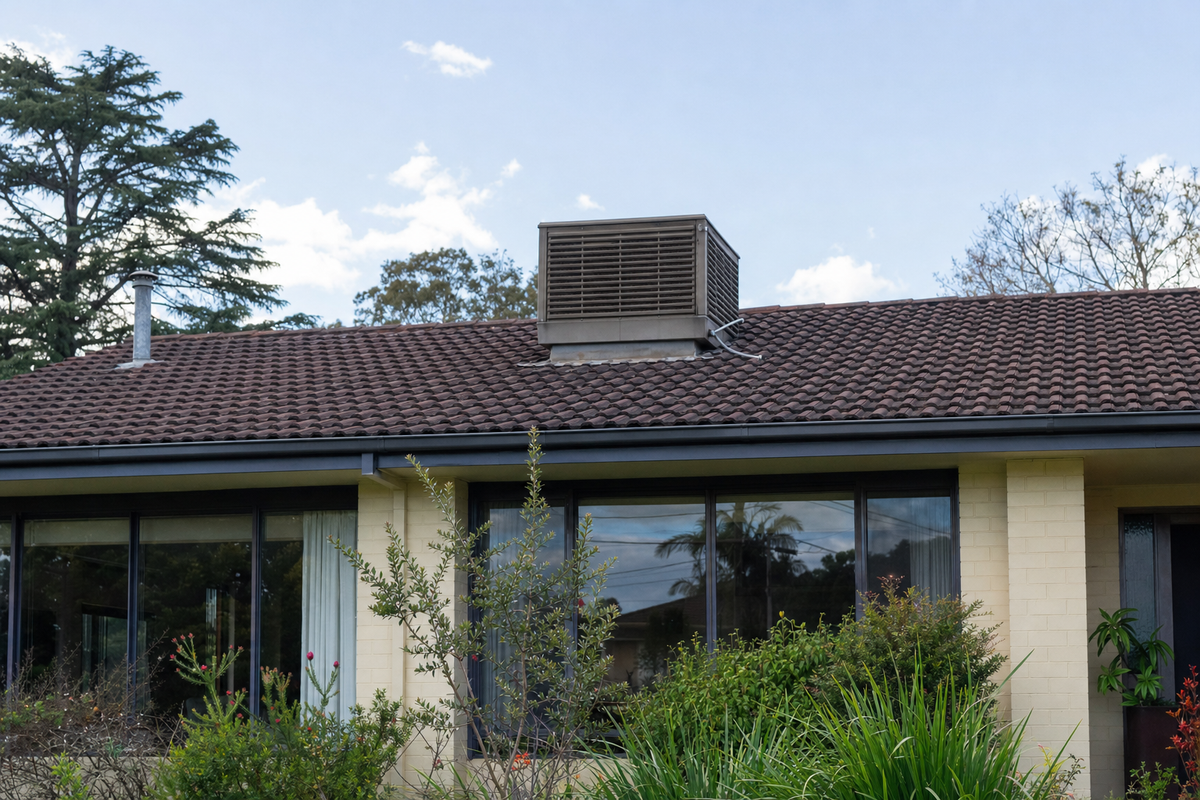
A new evaporative cooling installation typically costs between $3,800 and $7,500. For a standard unit replacement, homeowners usually pay between $2,800 and $4,200. These figures include the unit, basic ductwork, and installation labour, but prices vary based on the number of outlets, roof accessibility, and any necessary electrical or plumbing upgrades required for modern compliance.
Why floor area and unit capacity drive the initial quote
The physical size of your home is the primary factor that dictates the capacity of the evaporative unit required. In 2026, most residential installations use units ranging from 10 kW to 18 kW. A small three-bedroom home with approximately 100 square metres of living space can often be cooled by a 10 kW or 11 kW unit, which generally costs between $2,200 and $2,800 for the hardware alone. As the floor plan expands to four or five bedrooms, the cooling load increases, requiring a larger 14 kW to 17 kW unit. These larger models typically range from $3,000 to $4,200.
Selecting the correct capacity is not just about floor area; it is about the total volume of air that needs to be replaced every two minutes. Evaporative cooling works on the principle of airflow rather than recirculation. If the unit is undersized for the volume of the house, it will fail to create the necessary positive pressure to push hot air out through open windows and doors. Conversely, an oversized unit leads to excessive humidity levels inside the home and higher water consumption without providing additional comfort. We measure the cubic volume of each room to ensure the airflow matches the specific requirements of the building, rather than using a generic estimate based on square metres.
How roof material and pitch affect labour expenses
The physical environment where the unit sits significantly influences the labour component of an installation quote. A standard installation on a single-storey home with a pitch of 20 degrees or less is the most cost-effective scenario. However, once the roof pitch exceeds 30 degrees, safety requirements change. Installers must use specialised roof harnesses and often require more than two people on-site to safely position the unit on the dropper box. This can add $400 to $800 to the labour charge.
Material also plays a role in the complexity of the flashing and weatherproofing. Installing a unit on a Colorbond roof is generally more straightforward than on a dark tiled roof, especially if the tiles are brittle or older terracotta. In homes built in the 1970s, we often find that tiles require more care and more frequent replacement of broken pieces during the flashing process. If the property is a double-storey build, the cost increases further due to the need for scaffolding or a cherry picker to lift the unit onto the roof. In 2026, safety compliance for working at heights is non-negotiable, and these equipment hire costs are passed directly to the homeowner, often adding $1,200 to $2,000 to the total project cost.
Why ducting quality and outlet placement change the price
The ductwork is the circulatory system of the cooling setup, and it is where many low-cost quotes save money at the expense of performance. In 2026, the standard for flexible ducting has shifted toward higher R-values to minimise heat gain while the air travels through a hot roof cavity. Using R1.5 or R2.0 insulated ducting instead of the basic R1.0 can increase the material cost by $300 to $600 for a whole-house setup, but it prevents the cooled air from warming up before it reaches the rooms.
A standard installation typically includes five or six outlets. Each additional outlet beyond this standard package adds between $250 and $400 to the quote. This cost covers the vent itself, the additional length of ducting, and the labour to cut the ceiling and secure the fittings. We often see homeowners try to maximise the number of outlets, but this can actually reduce the velocity of the air coming out of each vent. It is usually more effective to strategically place high-capacity vents in main living areas and smaller vents in bedrooms. This balance ensures the system maintains enough pressure to move air throughout the entire property effectively.
The cost of water and electrical infrastructure upgrades
An evaporative cooler is both an electrical appliance and a plumbing fixture. It requires a dedicated circuit from the main switchboard and a permanent water connection on the roof. If your home is older, the existing switchboard may not have the capacity for an additional 20-amp circuit or may lack the required safety switches mandated by AS/NZS 3000. Upgrading a switchboard to meet modern standards can add $800 to $1,500 to the installation bill. This is a common requirement in older suburbs where the original electrical infrastructure was not designed for modern cooling loads.
The plumbing side involves running a copper or PEX water line from a garden tap or main line up to the unit. The unit also requires a drain-off pipe. In 2026, many local regulations require this water to be drained into the stormwater system rather than simply being dumped onto the roof tiles, which can cause mould growth and damage to the pointing. Running this drainage pipe to the eaves or downpipe adds to the plumbing labour. If the roof cavity is tight or access is restricted, the time taken to run these services increases, which is why we always conduct a site inspection before providing a firm quote for air conditioning repairs or new installs.
How brand selection and motor technology impact the budget
There is a clear price distinction between entry-level units and those featuring advanced motor technology. Brands like Breezair and Braemar often sit at the higher end of the price spectrum because they utilise inverter motors and advanced pad cleaning cycles. An inverter motor can ramp its speed up and down gradually, which is much quieter and more energy-efficient than a standard three-speed motor. Choosing a high-end inverter model can add $700 to $1,200 to the upfront cost compared to a base-model Brivis or Bonaire unit.
However, the trade-off is in the running costs and noise levels. In 2026, with rising electricity prices, the efficiency of an inverter motor can pay for the price difference over four or five summers. Furthermore, premium units often include automatic drain valves. These valves empty the water tank when the unit is not in use, preventing the build-up of algae and mineral deposits on the pads. While this adds to the initial package deal pricing, it significantly extends the life of the cooling pads and reduces the frequency of professional cleaning. We generally recommend higher-tier units for homes in high-use environments where the system will run for ten or twelve hours a day during the peak of summer.
Why climate suitability determines the long term cost effectiveness
The value of an evaporative system depends heavily on the local climate and how the home is constructed. In dry climates like Adelaide or Melbourne, evaporative cooling is highly effective because the low ambient humidity allows for maximum water evaporation and cooling. A home in Adelaide will see different results than one in Melbourne during a humid spell, but both generally benefit from the low running costs of these systems. In these regions, the installation is often $3,000 to $5,000 cheaper than installing ducted reverse cycle systems, making it a very attractive budget option.
However, if the home is located in a humid coastal climate, the cooling effect is significantly diminished. In those environments, the air is already saturated with moisture, meaning the water in the unit cannot evaporate effectively. This results in the system blowing warm, damp air into the house. We always advise clients to consider their local weather patterns before committing to an evaporative install. If you live in a region where summer humidity regularly exceeds 60%, the upfront savings of an evaporative unit may be offset by the lack of comfort. In those cases, a refrigerated system is usually the better long-term investment, despite the higher installation and running costs. You can find more information about our service locations and the systems we recommend for different zones on our main site.
Common questions
How much does it cost to replace an existing evaporative unit in 2026?
A straight unit replacement, where the existing ducting and outlets are reused, typically costs between $2,800 and $4,200 in 2026. This price includes the new external unit, a new wall controller, and the labour to decommission and dispose of the old system. The price varies based on the brand and capacity of the new unit selected.
Does evaporative cooling use a lot of water and electricity?
Evaporative cooling is one of the most cost-effective ways to cool a home in Australia. It uses about 80% less electricity than a refrigerated system because it only powers a fan and a small water pump. Water usage varies but typically ranges from 10 to 25 litres per hour depending on the temperature and humidity levels.
Is a site inspection necessary for an accurate evaporative cooling quote?
Yes, a site inspection is essential to identify potential costs that a floor plan cannot show. We need to check the roof cavity for ducting space, assess the switchboard for electrical capacity, and determine the best path for the water and drainage lines. This prevents unexpected 'extra' charges on the day of installation.
How often does an evaporative cooler need to be serviced?
To maintain efficiency and hygiene, we recommend [regular maintenance and servicing](/sydney/air-conditioning-service) once a year, usually before the start of the summer season. This service involves cleaning the water basin, checking the pads for mineral build-up, and ensuring the pump and motor are operating correctly. This prevents costly breakdowns during heatwaves.
Can I install evaporative cooling in a double-storey house?
Yes, but it is more expensive than a single-storey installation. Cooling the ground floor requires large ducts to be run through internal cupboards or 'droppers' to reach the lower ceiling. This added complexity, combined with the need for height safety equipment or scaffolding for roof access, typically adds $1,500 to $3,000 to the total cost.