How much does replacing an air conditioning unit cost?
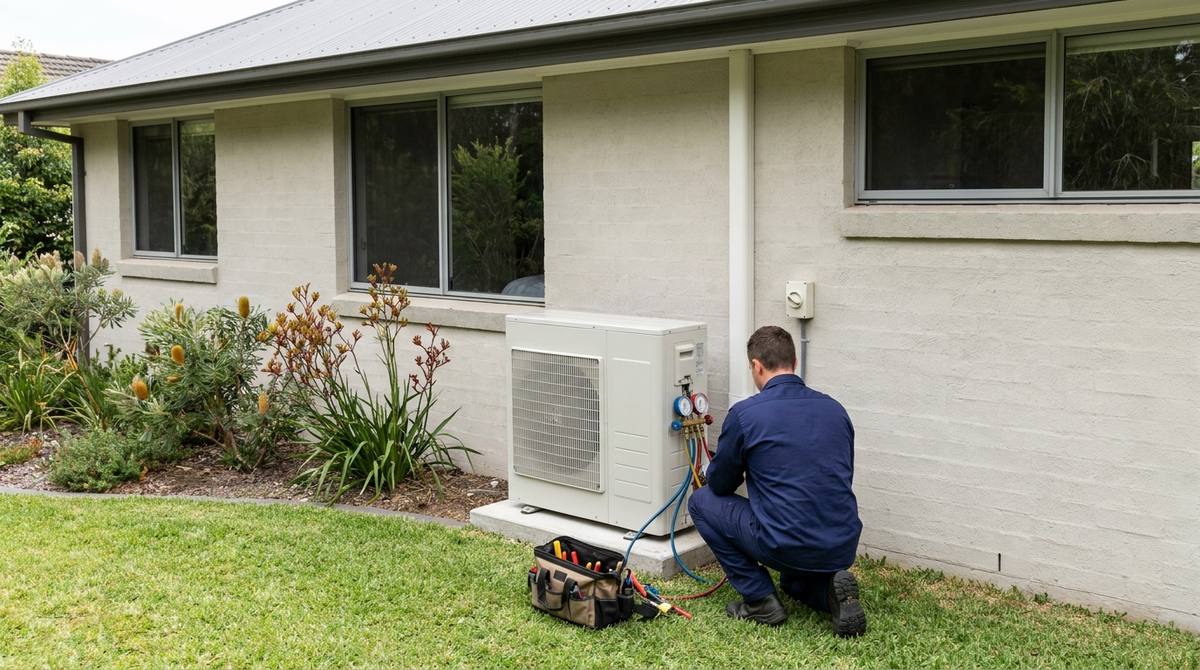
Replacing a residential air conditioning unit in this country typically costs between $3,500 for a split system and $18,000 for a large ducted system. This range includes hardware, labour, and the safe decommissioning of the old unit. Costs vary based on whether you need new pipework, an electrical switchboard upgrade, or structural modifications to accommodate modern, more efficient outdoor units.
Why old pipework often requires replacement
When you replace an existing air conditioning unit, the most common misconception is that the installer can simply swap the outdoor condenser and indoor fan coil while leaving everything else in place. In reality, modern systems operate on different principles than those installed fifteen or twenty years ago. The shift from R22 refrigerant to R32 or R410A has changed the internal pressures of the system. R32 operates at much higher pressures, meaning the copper pipework used in an older installation may have a wall thickness that is no longer safe or compliant. Even if the pipe diameter matches, the oil used in old R22 systems is mineral-based, while new systems use synthetic oil. Mixing these can lead to compressor failure within months.
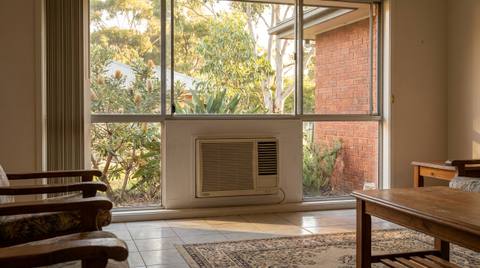
We assess the integrity of the existing copper before deciding if a flush is sufficient or if a full pull-through of new pipework is required. This decision alone can move a quote by $600 to $1,500 depending on the length of the run. Furthermore, the physical footprint of modern units is often larger due to the increased surface area of the heat exchanger coils required to meet current energy efficiency standards. A unit that once sat comfortably on a small wall bracket might now require a larger concrete plinth or a reinforced mounting system. If you are moving from an old wall-hung unit to a modern split system air conditioning, the internal wall plate will almost certainly need to be repositioned to cover old mounting holes and accommodate the new drainage path.
Hardware price ranges for residential systems
The hardware component of a replacement quote varies significantly between entry-level and premium brands. For a standard 7kW split system, which is common for large living areas, the hardware typically costs between $1,400 and $2,200. When you add the labour for decommissioning and installation, the total project cost often sits between $2,800 and $4,500. Ducted systems represent a much larger investment. A replacement 14kW ducted indoor and outdoor unit set generally starts at $6,000 and can exceed $11,000 for high-efficiency models with vertical discharge fans or side-blow configurations designed for narrow side passages. These 2026 prices reflect the hardware only.
It is also worth considering that replacing a ducted system is the ideal time to look at package deals that include new controllers and zone motors. Old zone motors are a frequent point of failure in systems over twelve years old. Replacing them while the indoor unit is already being swapped out is more cost-effective than calling a technician back a year later. A full ducted replacement including new hardware, a modern touchscreen controller, and updated zone motors for a four-bedroom home typically ranges from $10,000 to $16,000. The price moves upward if you opt for a system with a high-static fan capable of pushing air through long duct runs or if you choose a brand with a longer local parts-and-labour warranty. We find that mid-range units offer the best balance of longevity and initial cost for most residential applications.
Roof access challenges in Australian homes
The physical environment of the installation is one of the biggest variables in labour costs. In many homes built in the 1980s and 1990s, roof cavities were designed with large timber trusses that allow easy movement. However, modern double-storey homes or those with low-pitch Colorbond roofs often have extremely tight cavities. If a technician has to spend six hours crawling through a 600mm space to re-run safety trays and drains, the labour cost will reflect that difficulty. Access also includes the manhole size. Older homes often have small 400mm by 400mm manholes that cannot accommodate a modern, high-capacity indoor fan coil unit. In these cases, we must either cut a new, larger manhole or, in extreme scenarios, remove roof tiles or sheets to crane the unit into the roof space.
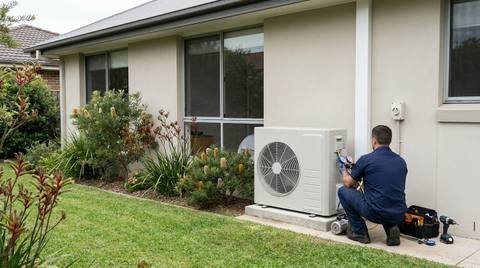
This can add $500 to $1,200 to the replacement cost. Similarly, the outdoor unit location matters. If the existing unit is on a roof or a high wall bracket, it requires two to three people or a specialised lifter to safely remove the old 80kg compressor and position the new one. Safety is a non-negotiable factor, and we must factor in the cost of temporary edge protection or scaffolding if the work is being performed at height near a roof edge. A straightforward ground-level replacement is always the baseline, but roughly half of the replacements we perform involve some level of access complexity that adds to the final invoice. We recommend clearing the area around the outdoor unit and providing a clear path to the manhole to help the team work efficiently.
Electrical upgrades and switchboard requirements
Electrical compliance is a frequently overlooked cost in air conditioning replacement. A system installed fifteen years ago likely drew less current or was on a circuit shared with other appliances, which does not meet current AS/NZS 3000 wiring rules. When we install a new system, we must ensure the circuit protection and cable size are adequate for the new unit's maximum current draw. If your home still uses old ceramic fuses, a switchboard upgrade to include RCDs (Residual Current Devices) and dedicated circuit breakers is mandatory. This can add $800 to $2,000 to the project. Furthermore, many homeowners look to increase their cooling capacity during a replacement, moving from a 12kW to a 16kW system. This often triggers a requirement for three-phase power.
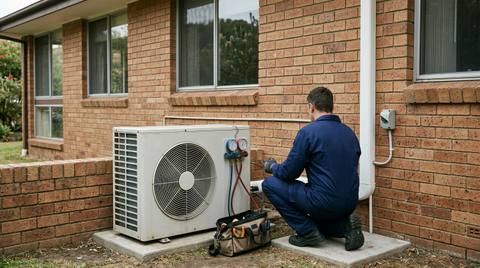
If your home only has single-phase power, the cost to bring three-phase from the street can be several thousand dollars, involving both an electrician and the local supply authority. We check the existing phase supply and the capacity of your main switch before providing a firm quote. It is also important to verify the isolation switch near the outdoor unit. These are often weathered and brittle after a decade in the sun. Replacing a faulty or non-compliant isolator is a standard part of a professional replacement to ensure the system can be safely isolated for a future air conditioning service. While these electrical costs might seem like an added burden, they are essential for the safety of the household and the long-term reliability of the new compressor.
Safe refrigerant recovery and disposal costs
The environmental and legal requirements for handling old air conditioning units carry their own costs. It is illegal to vent refrigerant gas into the atmosphere. Every replacement job requires a technician with an ARC licence to perform a 'pump down' or use a recovery unit to extract the gas into a sealed cylinder. This gas is then returned to a central repository for safe destruction. This process takes time and requires specialised equipment, typically adding $250 to $450 to the labour component. Beyond the gas, the physical disposal of the old indoor and outdoor units involves recycling the copper, aluminium, and steel components. We include the removal and eco-friendly disposal of the old hardware in our standard replacement quotes so that the homeowner is not left with a 100kg metal box on their nature strip.
Another factor is the condensate drain. Older installations often simply dripped onto the ground or into a gutter. Modern building codes are more specific about where this water can go to prevent foundation damage or mould growth. We often need to re-route the drainage to a proper soakwell or stormwater connection. If the indoor unit is located in a position where gravity drainage is impossible, a small condensate pump may need to be installed. These pumps are a common replacement item themselves, as they have a shorter lifespan than the AC unit. Ensuring the drainage system is robust prevents future ceiling leaks, which are one of the most expensive secondary costs of a poorly executed replacement.
Adjusting capacity for modern thermal loads
Climate and construction materials play a massive role in determining if you should replace your unit with a similar size or move to a higher capacity. A home with a dark tiled roof and no sarking in a hot dry inland zone will have a significantly higher heat load than a similar-sized home with a light-coloured Colorbond roof and high R-value ceiling insulation. When we perform a site visit, we don't just look at the old unit's sticker; we measure the glass area and orientation. A large west-facing window can add 2kW to the required cooling capacity for that room alone. In more humid coastal climates, the latent heat load is higher. This means a system in a place like Darwin needs to work harder to maintain comfort than one in a dry climate like Canberra, even if the temperature is the same.
If you have recently added a home extension or removed internal walls to create an open-plan living area, your old system's capacity will likely be insufficient. Conversely, if you have recently upgraded to double-glazed windows and added wall insulation, you might be able to downsize the unit, which saves on both the initial hardware cost and ongoing running expenses. We use heat load calculations to ensure the replacement unit is perfectly matched to the current state of the building, rather than just repeating the mistakes of a previous installer who may have used a generic rule of thumb based on floor area alone.
Common questions
How long does a replacement usually take?
A standard split system replacement usually takes between three and five hours. For a full ducted system replacement, you should allow a full day for a crew of two to three technicians. If the ductwork or electrical switchboard also needs upgrading, the project may extend into a second day.
Can I keep my old indoor unit and just replace the outdoor one?
In almost all cases, no. Modern outdoor units use different refrigerants and communication protocols than older models. Mixing a new outdoor unit with an old indoor fan coil usually results in immediate system errors or a total compressor failure. Replacing the entire matched set is necessary for a valid warranty.
Does the replacement cost include a new warranty?
Yes, a full replacement comes with a new manufacturer's warranty, which is typically five years for parts and labour. Additionally, the installer should provide a certificate of compliance for the electrical and plumbing work, which covers the quality of the installation itself for a set period.
Should I replace my ductwork at the same time?
If your ductwork is over fifteen years old, it likely has a low R-value or may have developed leaks and crushed sections. Replacing it during the unit swap ensures the new system operates at maximum efficiency. If the existing ducting is in good condition, it can often be reused.