Window air conditioning installation costs in Australia
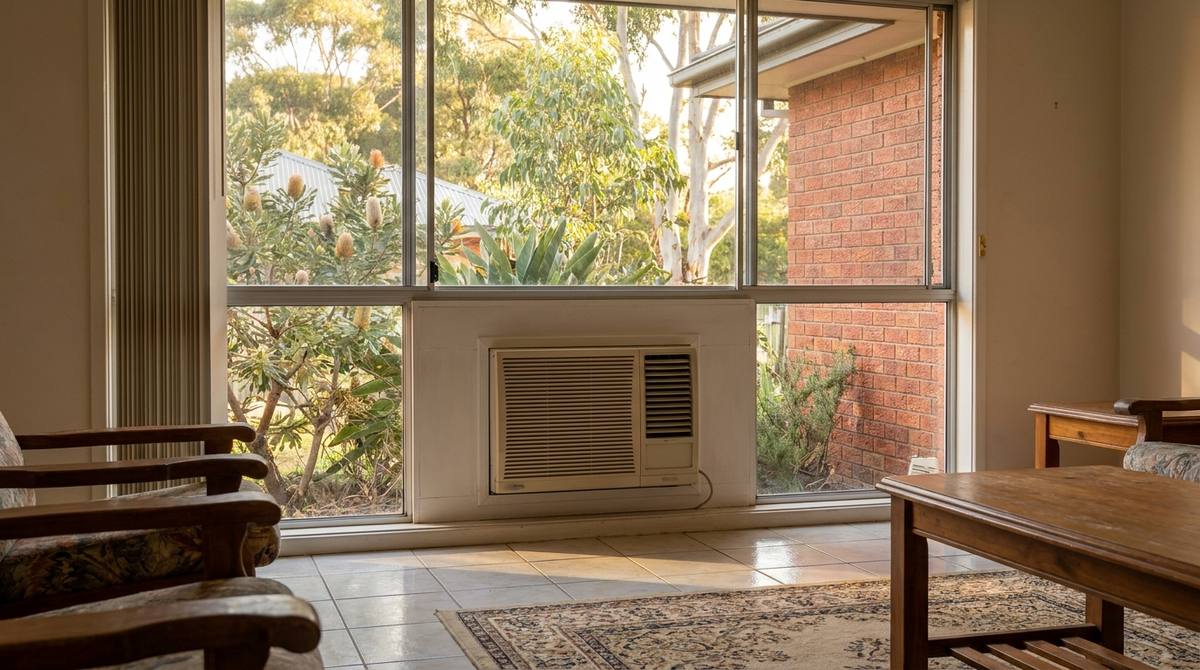
Window air conditioning installation typically costs between $600 and $1,200 for a basic unit in an existing window, while a through-the-wall installation can reach $2,500 or more. The final price depends on the unit's cooling capacity, whether structural work is required, and if a dedicated electrical circuit is necessary to meet safety standards for larger capacity models in Australia.
Understanding the unit and labour price range
When pricing a window air conditioning project, the initial split is between the hardware and the professional labour. A standard window-mounted unit with a cooling capacity of 2.6 kW to 3.5 kW usually costs between $450 and $900. Larger units designed for open-plan living areas, reaching up to 6.0 kW or 7.0 kW, can range from $1,000 to $1,600. These prices are for the unit alone, typically sourced from major retailers or specialist wholesalers. The labour component for a straightforward installation into a compatible window frame generally adds $250 to $500, assuming the power supply is already adequate and the window requires minimal modification.
The complexity of the installation is the primary driver of labour costs. A simple 'plug-and-play' install involves securing the unit into a sliding or sash window using a mounting kit. However, many older homes feature timber-framed windows that require custom carpentry to create a secure, weatherproof seal. If the unit is being installed into a wall rather than a window, the labour cost increases significantly. This requires a carpenter or bricklayer to cut the opening, install a lintel for structural support, and finish the exterior with flashing. Such installations often move the total project cost closer to the $2,000 mark, as they involve multiple trades and more intensive material requirements.
The impact of structural modifications and framing
Installing a window air conditioner is rarely as simple as sliding it into place. The type of window frame—aluminium, timber, or steel—dictates the mounting strategy and the cost of materials. Modern aluminium sliding windows are often the easiest to work with, as many manufacturers provide adjustable side panels that fill the gap created when the window is partially open. Timber sash windows, common in homes built in the early to mid-20th century, often require the fabrication of a custom timber box or the removal of a glass pane. This custom work ensures the unit is tilted slightly outwards to allow for proper condensate drainage, preventing water from leaking into the wall cavity or onto the internal floorboards.
Through-the-wall installations are a different category of expense. In a brick veneer home, the installer must cut through the external brickwork and the internal plasterboard, then build a structural frame to support the weight of the unit, which can exceed 50 kilograms. In double-brick constructions, this process is even more labour-intensive and requires specialised masonry tools. The cost for a wall cut-out can range from $600 to $1,200 on top of the unit price. This approach is often preferred for long-term aesthetics or when window space is at a premium, but it is a permanent structural change that requires careful weatherproofing and sealing to maintain the home’s thermal envelope.
Electrical safety and dedicated circuit costs
One of the most overlooked costs in window air conditioning installation is the electrical upgrade. While smaller 1.6 kW or 2.0 kW units can sometimes run on a standard 10-amp power point, larger units frequently require a 15-amp or 20-amp dedicated circuit. Under AS/NZS 3000 (the Australian Wiring Rules), any fixed appliance with a significant current draw should be on its own circuit to prevent overloading existing house wiring. If your home’s switchboard is old, installing a new circuit may also necessitate a switchboard upgrade to include modern RCDs (residual current devices), adding $300 to $800 to the total bill.
A dedicated circuit involves running a new cable from the switchboard directly to the location of the air conditioner. If the unit is being installed on an external wall close to the switchboard, the cost is lower. However, if the cable must be run through a complex roof cavity or under floorboards, the labour time increases. We always recommend checking the amperage of the unit before purchase. A unit that appears to be a bargain can quickly become expensive if it triggers a mandatory $600 electrical upgrade. This is particularly relevant in older weatherboard homes where the original wiring was never designed for the load of modern refrigeration-based cooling.
Why climate and orientation move the price
The environment where the home is located significantly influences the capacity required, which in turn dictates the unit and installation price. In a humid coastal climate, the air conditioner has to work harder to remove moisture from the air, often requiring a slightly higher capacity unit than a similar-sized room in a dry inland zone. For example, a Perth install fighting dry summer heat might prioritise peak cooling power, whereas a Darwin install must manage constant high humidity. These environmental factors change the 'heat load' of the room. A room with large west-facing glass windows will require a more powerful, and therefore more expensive, unit to counteract the afternoon sun.
The construction materials of the home also play a role. A home with a dark tiled roof and no ceiling insulation will have a much higher roof cavity temperature, radiating heat into the living spaces below. In these scenarios, a larger 5.0 kW unit might be necessary for a bedroom that would otherwise only need a 3.5 kW model. When we quote for a unit, we look at the R-value of the insulation and the presence of eaves. If a home lacks eaves, the sun hits the glass directly, increasing the cooling requirement. Investing in a higher-rated unit upfront is often more cost-effective than running a smaller, cheaper unit at 100% capacity for hours on end, which leads to premature mechanical failure.
Comparing window units to split systems
While window air conditioners are generally the most affordable entry point for cooling, it is worth comparing them against split system air conditioning for long-term value. A window unit is a 'unitary' system, meaning the compressor and the fan are in the same box. This makes them noisier than split systems, where the loud compressor sits outside. However, for renters or those with strict body corporate rules that forbid external wall-mounted fans, a window unit is often the only viable option. The installation cost for a window unit is typically $300 to $600 less than a split system, as there are no refrigerant pipes to be flared or vacuumed by a licensed refrigeration mechanic.
However, window units are generally less efficient than modern split systems. While a high-quality window unit might have a 3-star energy rating, many split systems now reach 5 or 6 stars. Over a five-year period, the higher running costs of a window unit can offset the initial savings on installation. For those looking for a temporary solution or cooling for a small home office, the window unit remains a practical choice. If you are considering a whole-home solution, ducted air conditioning installation provides a much more comprehensive result, though at a significantly higher price point. For a single room, the window unit is the budget-conscious choice that avoids the complexity of more permanent package deals involving multiple internal heads.
Hidden costs of drainage and weatherproofing
A common mistake in DIY or cheap installations is failing to account for condensate drainage. As the unit cools the air, it pulls moisture out, which must be drained away from the building. If a window unit is installed perfectly level, the water can pool in the base pan and eventually overflow into the room, damaging plaster and flooring. A professional installer will ensure a slight outward pitch. In some cases, a drainage kit with a small hose is required to direct water away from walkways or garden beds. If the unit is high up, this might involve additional plumbing to prevent water from dripping onto lower levels or neighbours' property.
Weatherproofing is the final hidden cost. When a window is left partially open to accommodate a unit, it creates a massive gap in the home's security and thermal insulation. Simply stuffing the gap with foam is rarely sufficient for a permanent install. Professional installers use rigid acrylic panels or custom-cut timber that is sealed with UV-rated silicone. This prevents cooled air from escaping and hot air (or insects) from entering. In coastal areas, the brackets and fixings used must be stainless steel or galvanised to resist salt corrosion. Using standard steel fixings in a coastal environment will lead to rust streaks on the wall and potential structural failure of the mount within just a few years.
Common questions
Can I install a window air conditioner myself to save money?
While physically placing a small unit in a window is possible for a handy homeowner, anything requiring a new power circuit must be handled by a licensed electrician. Furthermore, custom framing and weatherproofing are critical to prevent structural damage from leaks and to ensure the unit remains secure against intruders.
Does a window AC require a licensed refrigeration mechanic?
Because window units are 'hermetically sealed' at the factory, they do not usually require a refrigeration mechanic to connect gas lines, unlike split systems. However, if the unit is being hardwired into the home's electrical system, a licensed electrician is legally required to perform that work.
How long does it take to install a window air conditioner?
A standard installation into an existing, compatible window frame typically takes two to three hours. If the job requires cutting a hole in a brick wall or building a custom support frame for a heavy unit, the process can take a full day and may involve multiple trades.
Are window air conditioners more expensive to run than other types?
Generally, yes. Window units typically have lower energy efficiency ratios compared to modern split systems. While the installation cost is lower, the ongoing electricity bills will be higher for the same amount of cooling, especially in older non-inverter models that cycle on and off frequently.
What is the average lifespan of a window air conditioner in Australian conditions?
In most environments, you can expect a window unit to last 8 to 12 years. This lifespan can be shorter in coastal areas due to salt air corrosion of the aluminium fins, or in very dusty inland areas where the coils can become blocked if not cleaned regularly.