Daikin 7.1 kW split system price
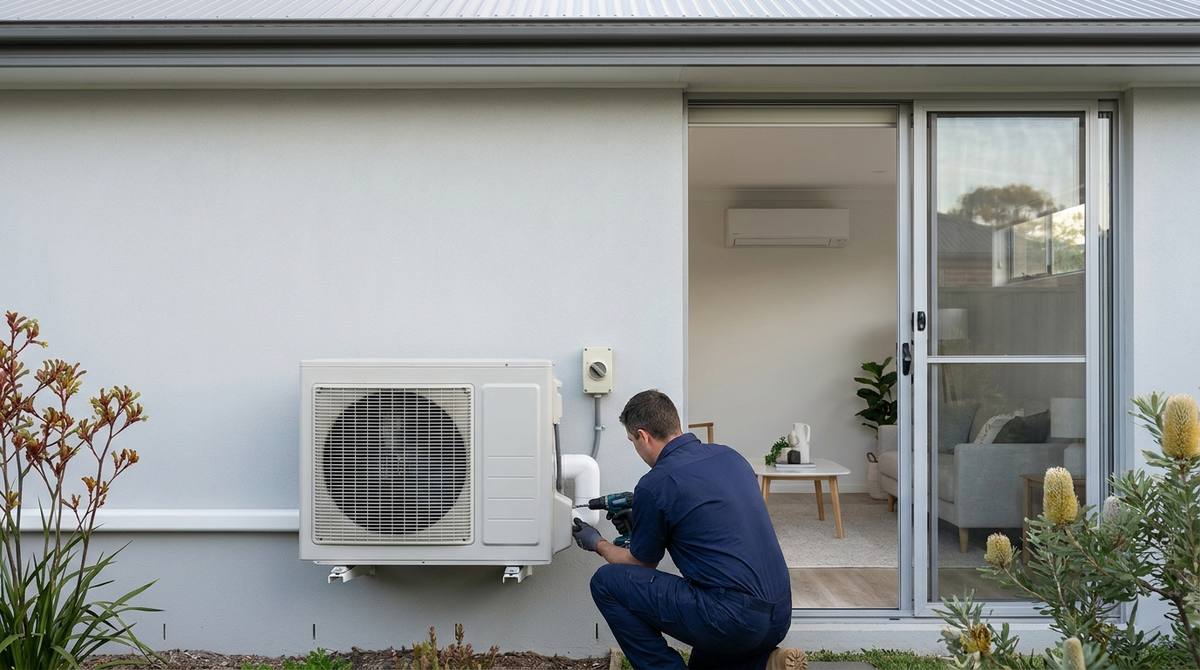
A Daikin 7.1 kW split system typically costs between $2,600 and $4,100 fully installed. The final price depends on the specific model—such as the Cora or Alira X—and the complexity of your home's layout. Factors like pipe run length, the need for a dedicated electrical circuit, and roof access all influence the total investment for your air conditioning.
How model selection changes the Daikin 7.1 kW price
The Daikin 7.1 kW split system is a significant investment for any Australian home, and the hardware price is the first variable to consider. Daikin offers several tiers, starting with the Lite series. This entry-level model focuses on the core requirements of cooling and heating. It is often chosen for its reliability and lower upfront cost, typically ranging from $1,750 to $1,950 for the unit itself. Moving up, the Cora series is perhaps the most popular mid-range option. It features the Coanda airflow pattern, which uses a specially designed flap to stream air upwards along the ceiling. This prevents cold air from falling directly onto occupants, creating a more comfortable and consistent temperature throughout the room. The Cora also includes a 2-area Intelligent Eye sensor that detects human presence; if the room is empty for 20 minutes, it switches to an energy-saving mode. For those prioritising air quality, the Alira X series is the next step up, priced between $2,250 and $2,600. It incorporates Daikin’s Streamer Technology, an advanced air purification system that uses an electric discharge to neutralise allergens and viruses. At the top of the range is the US7, which can cost over $3,600. It is a unique product in the market, offering humidification, dehumidification, and even fresh air ventilation. Each of these tiers represents a jump in both technology and price, allowing homeowners to choose a system that matches their specific health and comfort priorities.
Why installation complexity dictates the final quote
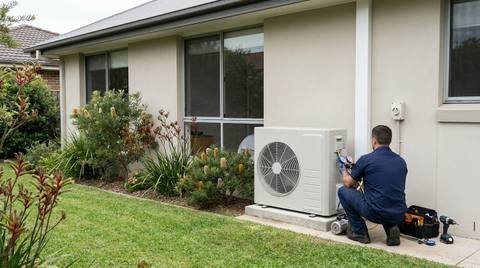
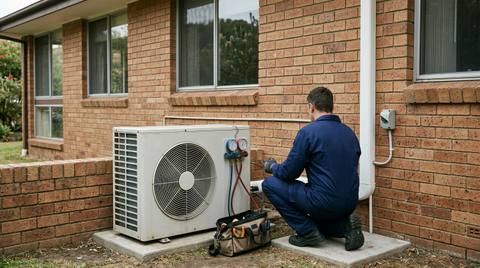
The cost to install a Daikin 7.1 kW split system depends heavily on the physical layout of your property. A standard back-to-back installation is the simplest and most affordable method. In this scenario, the indoor unit is mounted on an external brick or weatherboard wall, and the outdoor compressor is placed directly behind it on the ground. This usually includes up to three metres of insulated copper pipework and a basic electrical run. For a 7.1 kW unit, this basic split system air conditioning installation typically starts at around $850. However, many modern Australian homes require more complex configurations. If the indoor unit must be placed on an internal wall, the pipework and drain lines must be routed through the ceiling or under the floor. This method requires more materials and significantly more labour time. If the outdoor unit needs to be mounted on a wall bracket to save space in a narrow side-passage, or on a specialised roof mount for a townhouse, this adds both the cost of the hardware and the additional time for a safe installation. Furthermore, the 7.1 kW units use larger diameter copper pipes—typically 6.4mm and 15.9mm—which are more expensive and harder to work with than the smaller pipes used for bedroom units. If the total pipe run exceeds 15 metres, the technician may also need to add additional R32 refrigerant to the system, which is another cost factor to consider.
Sizing a 7.1 kW system for Australian living spaces
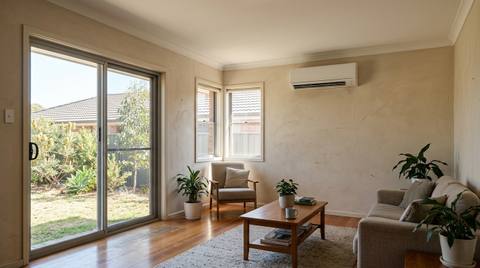
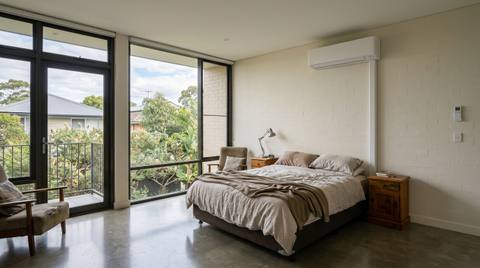
Correctly sizing a split system is crucial for both comfort and energy efficiency. A 7.1 kW unit is generally rated to cool a space of approximately 50 to 70 square metres, but this is a broad estimate that must be refined by looking at the specific construction of the home. We examine the thermal envelope, starting with the ceiling insulation. A home with modern R5.0 batts will retain cool air much longer than an older property with no insulation or degraded R1.5 batts. The roof material also plays a role; a dark Colorbond or tiled roof can reach temperatures of over 60 degrees Celsius in summer, radiating heat down into the living space. If the room has large expanses of glass, particularly west-facing windows, the radiant heat gain can be immense. We also factor in the volume of the room. An open-plan living area with a 2.7-metre or 3-metre ceiling height has a much larger volume of air to treat than a standard 2.4-metre room. If the 7.1 kW unit is undersized for the space, it will run at maximum capacity constantly, leading to excessive wear on the inverter compressor and high electricity bills. Conversely, an oversized unit may short-cycle, turning off before it has properly dehumidified the air, leaving the room feeling clammy. By calculating the exact heat load, we ensure the Daikin system operates within its most efficient range, providing the best return on the initial price.
Electrical infrastructure and switchboard requirements
One of the most overlooked costs in a 7.1 kW split system installation is the electrical infrastructure. While smaller air conditioners can sometimes be added to existing power circuits, a 7.1 kW unit is a high-draw appliance that requires a dedicated circuit. This means a new electrical cable must be run from the outdoor unit all the way back to the main switchboard. The cost of this work depends on the distance and the difficulty of the cable run. In a single-storey home with good roof access, this is a straightforward task, but in a multi-storey home or a house with a flat roof, it can be quite labour-intensive. Furthermore, the switchboard itself must be up to the task. Many older Australian homes still have switchboards with ceramic fuses or outdated circuit breakers. To comply with the AS/NZS 3000 wiring rules, any new air conditioning installation must be protected by a modern RCBO. If your switchboard is already full, we may need to install a small sub-board or upgrade the entire panel to make room for the new 20-amp or 25-amp circuit. This electrical work is essential for safety and to prevent the unit from tripping other appliances in the house. When you are comparing quotes, it is vital to check if the electrical work and the necessary safety certificates are included. For those planning a larger renovation, reading about our assessment process can help clarify how we integrate new high-capacity units into existing electrical systems without compromising safety.
Climate performance and efficiency in coastal environments
The performance and lifespan of a Daikin 7.1 kW system are heavily influenced by the local climate. In a humid coastal climate, the main challenge is salt-air corrosion and high moisture levels. Daikin units come standard with Blue Fin protection, which is a specialised coating on the outdoor heat exchanger that resists corrosion from salt and atmospheric pollutants. This is a critical feature for homes located within a few kilometres of the ocean. In these areas, the dehumidification or Dry Mode of the system is also used frequently to prevent mould growth inside the home. While a Darwin installation fights humidity, a Hobart installation fights winter frost. For a tropical environment like Darwin, the system must be able to shed heat efficiently even when the outside temperature is extremely high. The inverter technology in Daikin units is designed to modulate the compressor speed, allowing it to maintain a steady temperature without the energy spikes associated with older fixed-speed units. In contrast, in a cold climate like Hobart, the reverse-cycle heating performance is the priority. The unit must be able to extract heat from the outside air even when temperatures drop towards zero. During these times, the outdoor unit will periodically enter a defrost mode to melt any ice that has formed on the coils. Higher-end Daikin models like the Alira X are better at managing these cycles efficiently, ensuring that the indoor temperature remains stable.
Long term value and maintenance considerations
The total price of owning a Daikin 7.1 kW split system includes the ongoing costs of operation and maintenance. While Daikin is known for its energy efficiency, the actual running costs will depend on how the unit is used and maintained. Every Daikin split system comes with a 5-year parts and labour warranty, providing significant value and protection for your investment. However, to keep the unit running at its peak efficiency, homeowners must take an active role in its care. The most important task is cleaning the return air filters. In a typical Australian home, these should be checked and vacuumed every month, especially if you have pets or live near a busy road. When filters are clogged with dust, the fan motor has to work harder to pull air through, which increases energy consumption and can eventually lead to a system failure. Beyond basic filter cleaning, a regular air conditioning service is recommended every two years. A technician will perform a deep clean of the indoor evaporator coil and the outdoor condenser coil, check the refrigerant charge, and ensure that the condensate drain is clear of any blockages. This professional service not only extends the life of the compressor but also ensures that the air being circulated in your home is clean. For homeowners who are installing several units at once, looking for package deals for multiple units can be a great way to reduce the initial cost while also setting up a long-term maintenance schedule.
Common questions
Is a 7.1 kW split system enough for a large living room?
A 7.1 kW unit is typically sufficient for a space between 50 and 70 square metres. However, this depends on factors like ceiling height, insulation levels, and the amount of glass in the room. In an open-plan area with high ceilings or large west-facing windows, a larger unit might be required to maintain comfort during extreme heat.
How much does a Daikin 7.1 kW system cost to run per hour?
The running cost depends on your electricity tariff and the model's efficiency. On average, a 7.1 kW unit might cost between $0.40 and $0.80 per hour to run at full capacity. However, because Daikin units use inverter technology, they rarely run at full power once the room has reached the desired temperature, often dropping the cost during extended use.
Does the installation price include the electrical work?
In most professional quotes, the electrical work for a dedicated circuit is included. However, this assumes your existing switchboard has enough space and meets current safety standards. If an upgrade to a modern RCBO or a full switchboard replacement is required to comply with Australian wiring rules, this will be an additional cost.
What is the difference between the Daikin Cora and Alira X?
The Cora is a high-quality, reliable unit featuring Coanda airflow and an Intelligent Eye for energy efficiency. The Alira X builds on this by adding Daikin’s Streamer Technology for superior air purification and a more advanced mould-proof operation. The Alira X also typically has a higher energy efficiency rating, which can lead to lower running costs.
How long does it take to install a 7.1 kW split system?
A standard back-to-back installation usually takes between three and five hours for a team of two technicians. This includes mounting the units, connecting the refrigerant lines, performing a nitrogen pressure test, vacuuming the system to remove moisture, and completing the electrical wiring. More complex installations involving long pipe runs will naturally take longer.
For more detail, read our split system air conditioning guide.